
Introduction
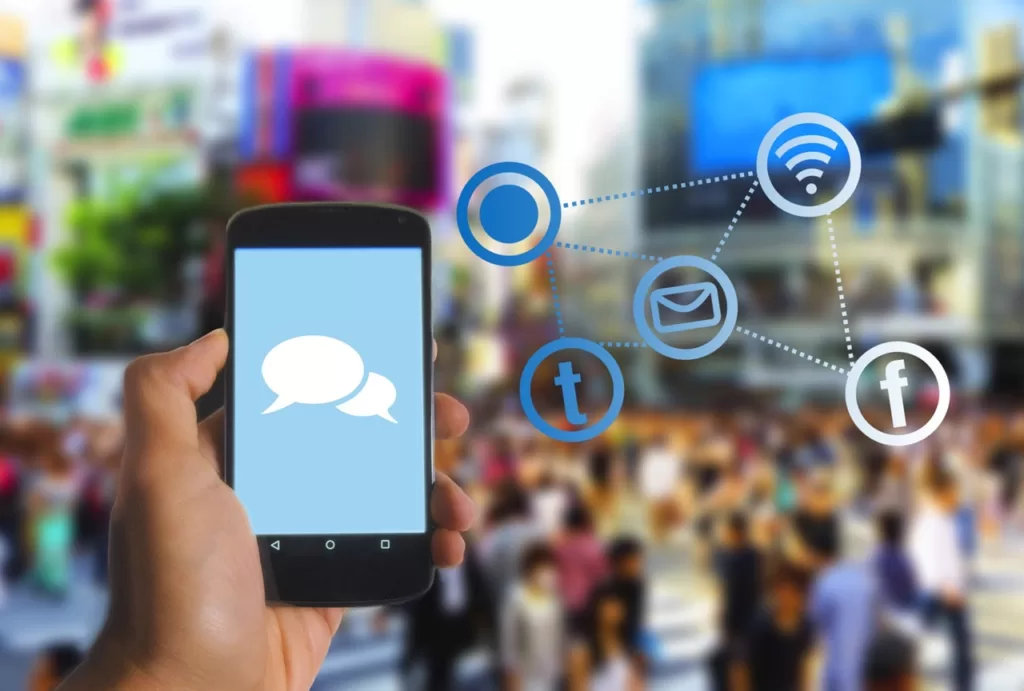
In the digital age, social media has become an integral part of our daily lives, transforming the way we connect, share information, and engage with the world around us. While these platforms have undoubtedly brought people together, there is a growing concern about their role in deepening societal divisions. This blog explores the impact of social media on polarisation, examining how it contributes to the formation of echo chambers and exacerbates political, social, and ideological divides.
Social and Electronic Media
In the ever-evolving landscape of information dissemination, the dichotomy between social media and electronic media plays a crucial role in shaping how we consume and interact with content.
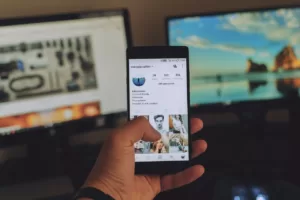
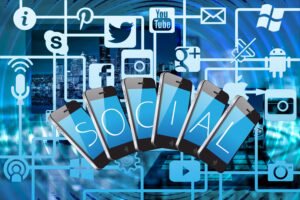
Social media, driven by user-generated content and real-time interactions, thrives on immediacy and personal connections. Platforms like Facebook, Twitter, and Instagram provide individuals with the means to share their thoughts, experiences, and multimedia content instantly. The emphasis is on user engagement, fostering a dynamic and interactive environment where users actively participate in the creation and dissemination of information.
On the other hand, electronic media, encompassing traditional forms like television and radio, follows a more structured and centralized model. Content is produced and disseminated by professional entities, offering a curated and often editorialized perspective. The reach of electronic media is broad, catering to a mass audience with scheduled programming and limited interactivity compared to the real-time engagement found on social media.
One significant distinction lies in the level of control and curation. Social media empowers individuals to curate their content, providing a diverse array of voices and viewpoints. Electronic media, in contrast, is typically governed by editorial decisions made by media organizations, influencing the narrative and tone of the information presented. While social media thrives on the democratization of content creation, electronic media still holds sway over the public discourse due to its established credibility and wide-reaching influence.
Potential strategies to mitigate divisive effects of social media
1. The Rise of Echo Chambers
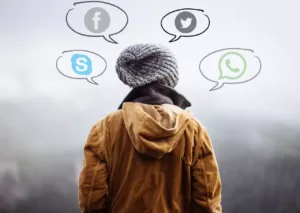
Social media platforms, with their algorithmic-driven content delivery, have inadvertently given rise to echo chambers – virtual spaces where individuals are surrounded by like-minded people, reinforcing their existing beliefs and shielding them from diverse perspectives. This phenomenon is not limited to political ideologies; it extends to various aspects of life, including social issues, religion, and cultural values.
Social media algorithms play a pivotal role in shaping users’ experiences by curating content based on their preferences and engagement history. While this is intended to enhance user satisfaction, it often results in a filtered and biased information environment. Users are more likely to be exposed to content that aligns with their existing beliefs, creating a self-reinforcing cycle that strengthens their convictions.
b. Filter Bubbles
Filter bubbles, another consequence of algorithmic curation, occur when users are exposed primarily to information that confirms their pre-existing beliefs. As a result, individuals may find themselves unaware of alternative viewpoints, leading to a lack of understanding and empathy across ideological divides. This isolation contributes to the fragmentation of society, hindering constructive dialogue and cooperation.
2. Political Polarisation
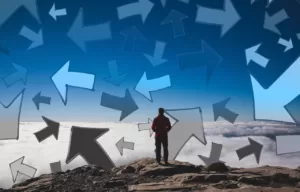
Social media’s impact on political polarisation has been a subject of considerable debate. The ability to tailor content to specific political preferences can intensify ideological divides and foster a climate of animosity between different political factions.
a. Amplification of Extreme Views
Social media algorithms, driven by engagement metrics, tend to prioritize sensational and extreme content. This often results in the amplification of polarizing messages, as they generate more reactions and shares. Consequently, moderate voices may be drowned out, further polarizing public discourse.
b. Us vs. Them Mentality
The binary nature of social media interactions, such as likes and shares, fosters an “us vs. them” mentality. Individuals may feel compelled to align themselves more strongly with their chosen political or ideological group, contributing to a heightened sense of tribalism. The tribalistic mentality not only intensifies rifts but also obstructs nuanced conversations about intricate matters.
3. Social and Cultural Divides

Beyond politics, social media also plays a role in deepening divisions related to cultural and social issues. Discussions around topics like race, religion, and identity can become polarized, making it challenging to find common ground and fostering an environment of hostility.
a. Reinforcement of Stereotypes
Social media can perpetuate stereotypes by showcasing extreme views and amplifying divisive narratives. This reinforcement of stereotypes contributes to the polarization of society, fostering misunderstandings and widening cultural gulfs.
b. Online Harassment and Cancel Culture
The anonymity afforded by social media platforms can lead to an increase in online harassment and the emergence of cancel culture. This not only stifles free expression but also creates an environment where individuals may fear expressing dissenting opinions, further entrenching divisions.
4. Mitigating the Polarising Effects of Social Media

Recognizing the challenges posed by social media polarisation, there are potential strategies to mitigate its negative impacts and foster a more inclusive and informed digital society.
a. Algorithmic Transparency and Accountability
Social media platforms should prioritise algorithmic transparency, providing users with greater insight into how content is curated and delivered. Additionally, platforms could incorporate accountability measures to ensure algorithms do not inadvertently promote extreme or polarizing content.
b. Diverse Content Exposure
To counteract the formation of echo chambers and filter bubbles, social media platforms could design algorithms that intentionally expose users to a more diverse range of perspectives. This could be achieved by incorporating content from different ideological backgrounds into users’ feeds, encouraging a more comprehensive understanding of complex issues.
c. Media Literacy Education
Promoting media literacy is crucial in empowering users to critically evaluate the information they encounter on social media. Educational initiatives should teach individuals to identify misinformation, understand the impact of algorithms, and navigate diverse perspectives, fostering a more discerning and informed online community. The major responsibility lies with the owners of social media platforms and the country they are operating from. International laws must be in place to ensure the positivity of this media without affecting freedom of speech.
d. Encouraging Civil Discourse
Social media platforms can actively promote civil discourse by implementing features that discourage online harassment and encourage respectful dialogue. By creating a culture of constructive engagement, platforms can contribute to a more positive online environment.
Conclusion
The role of social media in shaping societal discourse is undeniable, and its impact on polarisation raises important questions about the future of digital communication. While challenges exist, there are opportunities to harness the positive aspects of social media while mitigating its divisive effects. By fostering transparency, diversifying content exposure, promoting media literacy, and encouraging civil discourse, we can work towards a more united and understanding society in the digital age. As we navigate this complex landscape, it is essential to recognise the shared responsibility of individuals, platforms, and society as a whole in building a more inclusive and connected world.
10,416 responses
hdrezka hd hdrezka советские фильмы
новинки Netflix 2025 в хорошем качестве резка сериалы криминал на телефоне
The role of 3D printing in education, advantages and opportunities, Developing Technical Thinking through 3D Printing, 3D printer capabilities for creating educational materials, creating educational materials using 3D printers, innovative approaches to learning, developing skills for the future profession, Stimulating interest in engineering disciplines with 3D technologies, Improving the emotional level of learning with 3D toys, Creating biomodels for biological and medical disciplines using 3D technologies, new opportunities for studying biology and medicine, Personalized approach to learning using 3D technologies, Development of design and construction skills through working with 3D models, new opportunities for engineering education
3D Printing in Education [url=http://habr.com/ru/companies/top3dshopinc/articles/792140]http://habr.com/ru/companies/top3dshopinc/articles/792140[/url] .
The role of 3D printing in education, advantages and opportunities, Developing Technical Thinking through 3D Printing, 3D printer capabilities for creating educational materials, creating educational materials using 3D printers, innovative approaches to learning, developing skills for the future profession, Stimulating interest in engineering disciplines with 3D technologies, Improving the emotional level of learning with 3D toys, Creating biomodels for biological and medical disciplines using 3D technologies, new opportunities for studying biology and medicine, Personalized approach to learning using 3D technologies, Development of design and construction skills through working with 3D models, new opportunities for engineering education
3D Printing in Education [url=http://habr.com/ru/companies/top3dshopinc/articles/792140]http://habr.com/ru/companies/top3dshopinc/articles/792140[/url] .
DeepSeek:探索未知的勇氣
人類對未知的渴望從未停歇。從最初仰望星空,到如今深入海底,我們不斷拓展認知的邊界。DeepSeek,正是這種探索精神的象徵。
它不僅僅是一個名字,更是一種態度。在科技領域,DeepSeek代表著對人工智慧極限的挑戰;在海洋探索中,它意味著對深海奧秘的追尋;在個人成長路上,它象徵著對自我潛能的挖掘。
每一次DeepSeek,都是對舒適圈的突破。它需要勇氣面對未知,需要智慧解決難題,更需要堅持不懈的毅力。正是這種精神,推動著人類文明不斷向前。
當我們以DeepSeek的姿態面對世界,就會發現:未知不再是恐懼的來源,而是充滿可能的寶藏。每一個未解之謎,都是通往新發現的大門;每一次深入探索,都能帶來意想不到的收穫。
在這個充滿變數的時代,DeepSeek精神比以往任何時候都更加重要。它提醒我們:唯有保持好奇,勇於探索,才能在瞬息萬變的世界中找到屬於自己的方向。