


Introduction
In the digital age, social media has become an integral part of our daily lives, transforming the way we connect, share information, and engage with the world around us. While these platforms have undoubtedly brought people together, there is a growing concern about their role in deepening societal divisions. This blog explores the impact of social media on polarisation, examining how it contributes to the formation of echo chambers and exacerbates political, social, and ideological divides.
Social and Electronic Media

In the ever-evolving landscape of information dissemination, the dichotomy between social media and electronic media plays a crucial role in shaping how we consume and interact with content.
Social media, driven by user-generated content and real-time interactions, thrives on immediacy and personal connections. Platforms like Facebook, Twitter, and Instagram provide individuals with the means to share their thoughts, experiences, and multimedia content instantly. The emphasis is on user engagement, fostering a dynamic and interactive environment where users actively participate in the creation and dissemination of information.
On the other hand, electronic media, encompassing traditional forms like television and radio, follows a more structured and centralized model. Content is produced and disseminated by professional entities, offering a curated and often editorialized perspective. The reach of electronic media is broad, catering to a mass audience with scheduled programming and limited interactivity compared to the real-time engagement found on social media.
One significant distinction lies in the level of control and curation. Social media empowers individuals to curate their content, providing a diverse array of voices and viewpoints. Electronic media, in contrast, is typically governed by editorial decisions made by media organizations, influencing the narrative and tone of the information presented. While social media thrives on the democratization of content creation, electronic media still holds sway over the public discourse due to its established credibility and wide-reaching influence.
Potential strategies to mitigate divisive effects of social media
1. The Rise of Echo Chambers
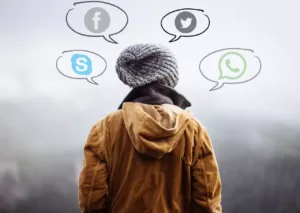
Social media platforms, with their algorithmic-driven content delivery, have inadvertently given rise to echo chambers – virtual spaces where individuals are surrounded by like-minded people, reinforcing their existing beliefs and shielding them from diverse perspectives. This phenomenon is not limited to political ideologies; it extends to various aspects of life, including social issues, religion, and cultural values.
Social media algorithms play a pivotal role in shaping users’ experiences by curating content based on their preferences and engagement history. While this is intended to enhance user satisfaction, it often results in a filtered and biased information environment. Users are more likely to be exposed to content that aligns with their existing beliefs, creating a self-reinforcing cycle that strengthens their convictions.
b. Filter Bubbles
Filter bubbles, another consequence of algorithmic curation, occur when users are exposed primarily to information that confirms their pre-existing beliefs. As a result, individuals may find themselves unaware of alternative viewpoints, leading to a lack of understanding and empathy across ideological divides. This isolation contributes to the fragmentation of society, hindering constructive dialogue and cooperation.
2. Political Polarisation

Social media’s impact on political polarisation has been a subject of considerable debate. The ability to tailor content to specific political preferences can intensify ideological divides and foster a climate of animosity between different political factions.
a. Amplification of Extreme Views
Social media algorithms, driven by engagement metrics, tend to prioritize sensational and extreme content. This often results in the amplification of polarizing messages, as they generate more reactions and shares. Consequently, moderate voices may be drowned out, further polarizing public discourse.
b. Us vs. Them Mentality
The binary nature of social media interactions, such as likes and shares, fosters an “us vs. them” mentality. Individuals may feel compelled to align themselves more strongly with their chosen political or ideological group, contributing to a heightened sense of tribalism. The tribalistic mentality not only intensifies rifts but also obstructs nuanced conversations about intricate matters.
3. Social and Cultural Divides

Beyond politics, social media also plays a role in deepening divisions related to cultural and social issues. Discussions around topics like race, religion, and identity can become polarized, making it challenging to find common ground and fostering an environment of hostility.
a. Reinforcement of Stereotypes
Social media can perpetuate stereotypes by showcasing extreme views and amplifying divisive narratives. This reinforcement of stereotypes contributes to the polarization of society, fostering misunderstandings and widening cultural gulfs.
b. Online Harassment and Cancel Culture
The anonymity afforded by social media platforms can lead to an increase in online harassment and the emergence of cancel culture. This not only stifles free expression but also creates an environment where individuals may fear expressing dissenting opinions, further entrenching divisions.
4. Mitigating the Polarising Effects of Social Media

Recognizing the challenges posed by social media polarisation, there are potential strategies to mitigate its negative impacts and foster a more inclusive and informed digital society.
a. Algorithmic Transparency and Accountability
Social media platforms should prioritise algorithmic transparency, providing users with greater insight into how content is curated and delivered. Additionally, platforms could incorporate accountability measures to ensure algorithms do not inadvertently promote extreme or polarizing content.
b. Diverse Content Exposure
To counteract the formation of echo chambers and filter bubbles, social media platforms could design algorithms that intentionally expose users to a more diverse range of perspectives. This could be achieved by incorporating content from different ideological backgrounds into users’ feeds, encouraging a more comprehensive understanding of complex issues.
c. Media Literacy Education
Promoting media literacy is crucial in empowering users to critically evaluate the information they encounter on social media. Educational initiatives should teach individuals to identify misinformation, understand the impact of algorithms, and navigate diverse perspectives, fostering a more discerning and informed online community. The major responsibility lies with the owners of social media platforms and the country they are operating from. International laws must be in place to ensure the positivity of this media without affecting freedom of speech.
d. Encouraging Civil Discourse
Social media platforms can actively promote civil discourse by implementing features that discourage online harassment and encourage respectful dialogue. By creating a culture of constructive engagement, platforms can contribute to a more positive online environment.
Conclusion
The role of social media in shaping societal discourse is undeniable, and its impact on polarisation raises important questions about the future of digital communication. While challenges exist, there are opportunities to harness the positive aspects of social media while mitigating its divisive effects. By fostering transparency, diversifying content exposure, promoting media literacy, and encouraging civil discourse, we can work towards a more united and understanding society in the digital age. As we navigate this complex landscape, it is essential to recognise the shared responsibility of individuals, platforms, and society as a whole in building a more inclusive and connected world.



10,416 responses
Decouvrez une nouvelle facon de parier sur vos sports preferes avec 888starz bet telecharger sur Android. Cette application est specialement concue pour offrir une experience de pari fluide et securisee, avec des cotes competitives et des promotions exclusives pour les utilisateurs Android.
kantor bola
KANTORBOLA adalah pilihan terbaik bagi pecinta slot online. Nikmati berbagai permainan slot menarik, bonus besar, dan pengalaman bermain yang aman dan terpercaya.
kantor bola
KANTORBOLA adalah pilihan terbaik bagi pecinta slot online. Nikmati berbagai permainan slot menarik, bonus besar, dan pengalaman bermain yang aman dan terpercaya.
토토사이트
토토사이트 커뮤니티: 안전한 베팅을 위한 길잡이
토토사이트 커뮤니티는 스포츠 베팅을 즐기는 사람들에게 단순한 정보 공유의 장을 넘어, 안전한 배팅 환경을 조성하는 데 중요한 역할을 합니다. 이곳에서는 초보자부터 전문가까지 다양한 사람들이 모여 베팅 전략을 논의하고, 신뢰할 수 있는 토토사이트를 추천하며, 먹튀 사고를 예방하기 위한 정보를 공유합니다. 특히, 사설 토토사이트의 위험성을 알리고, 이를 피할 수 있는 방법을 제시함으로써 사용자들이 더 안전하게 베팅을 즐길 수 있도록 돕습니다.
사설 토토사이트의 숨겨진 위험
사설 토토사이트는 정부의 규제를 받지 않기 때문에 다양한 문제를 일으킬 수 있습니다. 예를 들어, 공정하지 않은 배당률, 과장된 광고, 개인정보 유출 등이 대표적인 문제점입니다. 또한, 사설 토토사이트는 법적 문제로 인해 갑자기 사라지는 경우가 많아 사용자들이 금전적 손실을 입을 위험이 큽니다. 이런 이유로, 토토 커뮤니티에서는 사설 토토사이트보다는 규제를 받는 공식 사이트를 이용할 것을 권장합니다.
토토 커뮤니티가 제공하는 가치
토토 커뮤니티는 단순히 정보를 나누는 공간이 아니라, 사용자들이 안전하게 베팅할 수 있도록 돕는 네트워크입니다. 예를 들어, 새로운 토토사이트가 등장했을 때 커뮤니티 멤버들은 해당 사이트의 운영 주체, 결제 시스템, 사용자 리뷰 등을 꼼꼼히 검토합니다. 이를 통해 먹튀 사고를 미리 방지하고, 신뢰할 수 있는 사이트만을 추천합니다. 또한, 문제가 발생했을 때는 보증 사이트를 통해 사용자들이 손실을 최소화할 수 있도록 돕습니다.
어떻게 신뢰할 수 있는 토토사이트를 찾을까?
토토 커뮤니티에서는 신뢰할 수 있는 토토사이트를 찾기 위해 몇 가지 중요한 기준을 제시합니다. 먼저, 사이트의 운영 주체가 명확한지 확인하는 것이 중요합니다. 정부나 공인된 기관에서 관리하는 사이트라면 신뢰할 수 있습니다. 또한, 다른 사용자들의 리뷰를 참고하여 사이트의 신뢰성을 판단할 수 있습니다. 긍정적인 평가가 많고, 문제가 거의 없는 사이트라면 안전하게 이용할 수 있습니다.
결제 시스템도 중요한 확인 요소 중 하나입니다. 신용카드, 전자지갑 등 다양한 결제 방법을 지원하고, SSL 암호화를 통해 금융 정보를 보호하는 사이트라면 더욱 신뢰할 수 있습니다. 마지막으로, 온라인 커뮤니티나 포럼에서 해당 사이트에 대한 평판을 확인하는 것도 좋은 방법입니다. 다른 사용자들이 어떻게 평가하는지, 문제가 없는지 꼼꼼히 살펴보는 것이 중요합니다.
토토 커뮤니티의 보증 사이트
토토 커뮤니티에서는 먹튀 사고를 예방하기 위해 보증 사이트를 추천합니다. 이러한 사이트는 사용자들의 개인정보와 금융 정보를 보호하며, 문제가 발생했을 때 빠르게 해결할 수 있는 시스템을 갖추고 있습니다. 보증 사이트를 이용하면 안전하게 베팅을 즐길 수 있으며, 만약 문제가 생기더라도 커뮤니티의 도움을 받아 해결할 수 있습니다.
마무리
토토사이트 커뮤니티는 스포츠 베팅을 즐기는 사람들에게 안전하고 신뢰할 수 있는 정보를 제공하는 중요한 공간입니다. 사설 토토사이트의 위험성을 인지하고, 신뢰할 수 있는 사이트를 선택하는 것이 무엇보다 중요합니다. 토토 커뮤니티의 정보를 참고하여 안전한 베팅 환경을 조성하고, 스포츠 베팅을 더욱 즐겁게 즐기시길 바랍니다. 항상 책임감 있게 베팅에 임하는 것도 잊지 마세요!
토토사이트
토토사이트 커뮤니티: 안전한 베팅을 위한 길잡이
토토사이트 커뮤니티는 스포츠 베팅을 즐기는 사람들에게 단순한 정보 공유의 장을 넘어, 안전한 배팅 환경을 조성하는 데 중요한 역할을 합니다. 이곳에서는 초보자부터 전문가까지 다양한 사람들이 모여 베팅 전략을 논의하고, 신뢰할 수 있는 토토사이트를 추천하며, 먹튀 사고를 예방하기 위한 정보를 공유합니다. 특히, 사설 토토사이트의 위험성을 알리고, 이를 피할 수 있는 방법을 제시함으로써 사용자들이 더 안전하게 베팅을 즐길 수 있도록 돕습니다.
사설 토토사이트의 숨겨진 위험
사설 토토사이트는 정부의 규제를 받지 않기 때문에 다양한 문제를 일으킬 수 있습니다. 예를 들어, 공정하지 않은 배당률, 과장된 광고, 개인정보 유출 등이 대표적인 문제점입니다. 또한, 사설 토토사이트는 법적 문제로 인해 갑자기 사라지는 경우가 많아 사용자들이 금전적 손실을 입을 위험이 큽니다. 이런 이유로, 토토 커뮤니티에서는 사설 토토사이트보다는 규제를 받는 공식 사이트를 이용할 것을 권장합니다.
토토 커뮤니티가 제공하는 가치
토토 커뮤니티는 단순히 정보를 나누는 공간이 아니라, 사용자들이 안전하게 베팅할 수 있도록 돕는 네트워크입니다. 예를 들어, 새로운 토토사이트가 등장했을 때 커뮤니티 멤버들은 해당 사이트의 운영 주체, 결제 시스템, 사용자 리뷰 등을 꼼꼼히 검토합니다. 이를 통해 먹튀 사고를 미리 방지하고, 신뢰할 수 있는 사이트만을 추천합니다. 또한, 문제가 발생했을 때는 보증 사이트를 통해 사용자들이 손실을 최소화할 수 있도록 돕습니다.
어떻게 신뢰할 수 있는 토토사이트를 찾을까?
토토 커뮤니티에서는 신뢰할 수 있는 토토사이트를 찾기 위해 몇 가지 중요한 기준을 제시합니다. 먼저, 사이트의 운영 주체가 명확한지 확인하는 것이 중요합니다. 정부나 공인된 기관에서 관리하는 사이트라면 신뢰할 수 있습니다. 또한, 다른 사용자들의 리뷰를 참고하여 사이트의 신뢰성을 판단할 수 있습니다. 긍정적인 평가가 많고, 문제가 거의 없는 사이트라면 안전하게 이용할 수 있습니다.
결제 시스템도 중요한 확인 요소 중 하나입니다. 신용카드, 전자지갑 등 다양한 결제 방법을 지원하고, SSL 암호화를 통해 금융 정보를 보호하는 사이트라면 더욱 신뢰할 수 있습니다. 마지막으로, 온라인 커뮤니티나 포럼에서 해당 사이트에 대한 평판을 확인하는 것도 좋은 방법입니다. 다른 사용자들이 어떻게 평가하는지, 문제가 없는지 꼼꼼히 살펴보는 것이 중요합니다.
토토 커뮤니티의 보증 사이트
토토 커뮤니티에서는 먹튀 사고를 예방하기 위해 보증 사이트를 추천합니다. 이러한 사이트는 사용자들의 개인정보와 금융 정보를 보호하며, 문제가 발생했을 때 빠르게 해결할 수 있는 시스템을 갖추고 있습니다. 보증 사이트를 이용하면 안전하게 베팅을 즐길 수 있으며, 만약 문제가 생기더라도 커뮤니티의 도움을 받아 해결할 수 있습니다.
마무리
토토사이트 커뮤니티는 스포츠 베팅을 즐기는 사람들에게 안전하고 신뢰할 수 있는 정보를 제공하는 중요한 공간입니다. 사설 토토사이트의 위험성을 인지하고, 신뢰할 수 있는 사이트를 선택하는 것이 무엇보다 중요합니다. 토토 커뮤니티의 정보를 참고하여 안전한 베팅 환경을 조성하고, 스포츠 베팅을 더욱 즐겁게 즐기시길 바랍니다. 항상 책임감 있게 베팅에 임하는 것도 잊지 마세요!