
Introduction
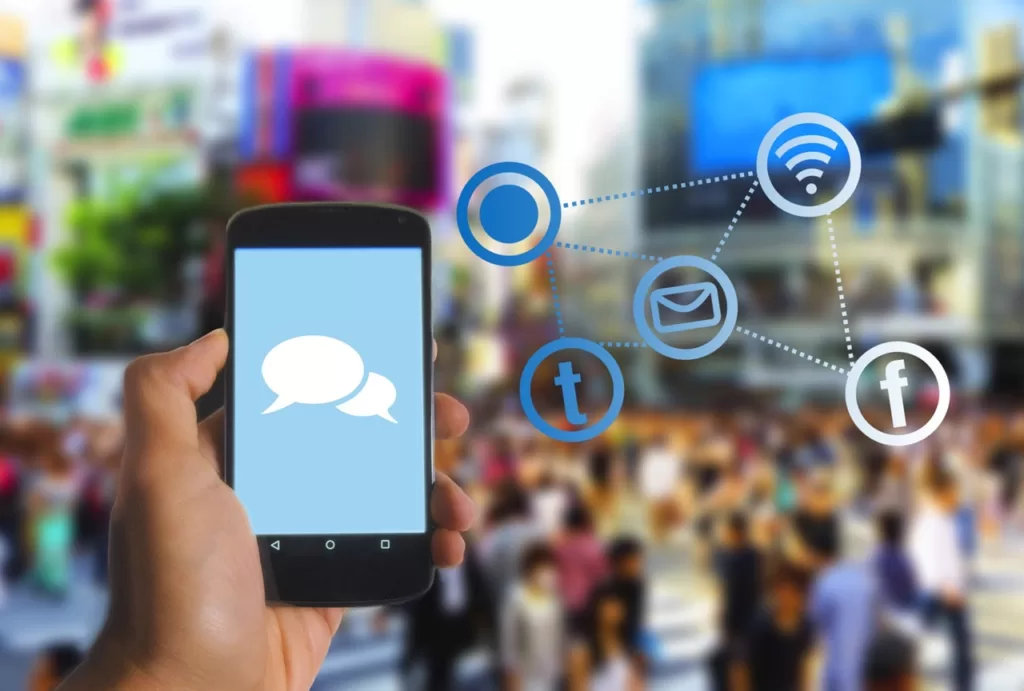
In the digital age, social media has become an integral part of our daily lives, transforming the way we connect, share information, and engage with the world around us. While these platforms have undoubtedly brought people together, there is a growing concern about their role in deepening societal divisions. This blog explores the impact of social media on polarisation, examining how it contributes to the formation of echo chambers and exacerbates political, social, and ideological divides.
Social and Electronic Media
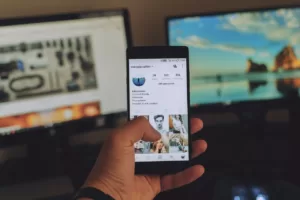
In the ever-evolving landscape of information dissemination, the dichotomy between social media and electronic media plays a crucial role in shaping how we consume and interact with content.
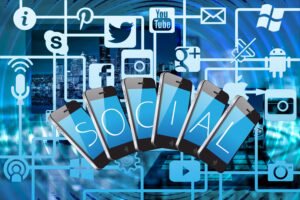
Social media, driven by user-generated content and real-time interactions, thrives on immediacy and personal connections. Platforms like Facebook, Twitter, and Instagram provide individuals with the means to share their thoughts, experiences, and multimedia content instantly. The emphasis is on user engagement, fostering a dynamic and interactive environment where users actively participate in the creation and dissemination of information.
On the other hand, electronic media, encompassing traditional forms like television and radio, follows a more structured and centralized model. Content is produced and disseminated by professional entities, offering a curated and often editorialized perspective. The reach of electronic media is broad, catering to a mass audience with scheduled programming and limited interactivity compared to the real-time engagement found on social media.
One significant distinction lies in the level of control and curation. Social media empowers individuals to curate their content, providing a diverse array of voices and viewpoints. Electronic media, in contrast, is typically governed by editorial decisions made by media organizations, influencing the narrative and tone of the information presented. While social media thrives on the democratization of content creation, electronic media still holds sway over the public discourse due to its established credibility and wide-reaching influence.
Potential strategies to mitigate divisive effects of social media
1. The Rise of Echo Chambers
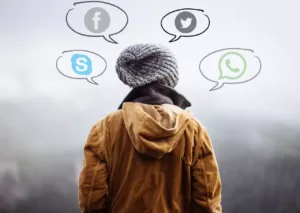
Social media platforms, with their algorithmic-driven content delivery, have inadvertently given rise to echo chambers – virtual spaces where individuals are surrounded by like-minded people, reinforcing their existing beliefs and shielding them from diverse perspectives. This phenomenon is not limited to political ideologies; it extends to various aspects of life, including social issues, religion, and cultural values.
Social media algorithms play a pivotal role in shaping users’ experiences by curating content based on their preferences and engagement history. While this is intended to enhance user satisfaction, it often results in a filtered and biased information environment. Users are more likely to be exposed to content that aligns with their existing beliefs, creating a self-reinforcing cycle that strengthens their convictions.
b. Filter Bubbles
Filter bubbles, another consequence of algorithmic curation, occur when users are exposed primarily to information that confirms their pre-existing beliefs. As a result, individuals may find themselves unaware of alternative viewpoints, leading to a lack of understanding and empathy across ideological divides. This isolation contributes to the fragmentation of society, hindering constructive dialogue and cooperation.
2. Political Polarisation

Social media’s impact on political polarisation has been a subject of considerable debate. The ability to tailor content to specific political preferences can intensify ideological divides and foster a climate of animosity between different political factions.
a. Amplification of Extreme Views
Social media algorithms, driven by engagement metrics, tend to prioritize sensational and extreme content. This often results in the amplification of polarizing messages, as they generate more reactions and shares. Consequently, moderate voices may be drowned out, further polarizing public discourse.
b. Us vs. Them Mentality
The binary nature of social media interactions, such as likes and shares, fosters an “us vs. them” mentality. Individuals may feel compelled to align themselves more strongly with their chosen political or ideological group, contributing to a heightened sense of tribalism. The tribalistic mentality not only intensifies rifts but also obstructs nuanced conversations about intricate matters.
3. Social and Cultural Divides

Beyond politics, social media also plays a role in deepening divisions related to cultural and social issues. Discussions around topics like race, religion, and identity can become polarized, making it challenging to find common ground and fostering an environment of hostility.
a. Reinforcement of Stereotypes
Social media can perpetuate stereotypes by showcasing extreme views and amplifying divisive narratives. This reinforcement of stereotypes contributes to the polarization of society, fostering misunderstandings and widening cultural gulfs.
b. Online Harassment and Cancel Culture
The anonymity afforded by social media platforms can lead to an increase in online harassment and the emergence of cancel culture. This not only stifles free expression but also creates an environment where individuals may fear expressing dissenting opinions, further entrenching divisions.
4. Mitigating the Polarising Effects of Social Media

Recognizing the challenges posed by social media polarisation, there are potential strategies to mitigate its negative impacts and foster a more inclusive and informed digital society.
a. Algorithmic Transparency and Accountability
Social media platforms should prioritise algorithmic transparency, providing users with greater insight into how content is curated and delivered. Additionally, platforms could incorporate accountability measures to ensure algorithms do not inadvertently promote extreme or polarizing content.
b. Diverse Content Exposure
To counteract the formation of echo chambers and filter bubbles, social media platforms could design algorithms that intentionally expose users to a more diverse range of perspectives. This could be achieved by incorporating content from different ideological backgrounds into users’ feeds, encouraging a more comprehensive understanding of complex issues.
c. Media Literacy Education
Promoting media literacy is crucial in empowering users to critically evaluate the information they encounter on social media. Educational initiatives should teach individuals to identify misinformation, understand the impact of algorithms, and navigate diverse perspectives, fostering a more discerning and informed online community. The major responsibility lies with the owners of social media platforms and the country they are operating from. International laws must be in place to ensure the positivity of this media without affecting freedom of speech.
d. Encouraging Civil Discourse
Social media platforms can actively promote civil discourse by implementing features that discourage online harassment and encourage respectful dialogue. By creating a culture of constructive engagement, platforms can contribute to a more positive online environment.
Conclusion
The role of social media in shaping societal discourse is undeniable, and its impact on polarisation raises important questions about the future of digital communication. While challenges exist, there are opportunities to harness the positive aspects of social media while mitigating its divisive effects. By fostering transparency, diversifying content exposure, promoting media literacy, and encouraging civil discourse, we can work towards a more united and understanding society in the digital age. As we navigate this complex landscape, it is essential to recognise the shared responsibility of individuals, platforms, and society as a whole in building a more inclusive and connected world.

10,416 responses
2024 年娛樂城遊戲推薦:最夯遊戲與最佳平台選擇
隨著線上娛樂城市場的蓬勃發展,2024 年推出了多款令人興奮的遊戲和創新平台。無論是喜歡老虎機、棋牌遊戲,還是捕魚和彩票遊戲的玩家,都能在今年找到屬於自己的遊戲樂園。以下是熱門遊戲推薦與最佳娛樂城平台的詳細介紹。
2024 年最夯遊戲推薦
電子老虎機遊戲
電子老虎機一直是娛樂城的經典項目,今年更是推出了數款熱門作品:
戰神賽特:以古埃及神話為背景,擁有高倍數獎勵的特殊功能,畫面設計精美。
魔龍傳奇:玩家可探索魔龍世界,觸發驚喜獎金和免費遊戲機會。
雷神之錘:以北歐神話為主題,特色連線玩法讓每次旋轉都充滿期待。
金虎爺:寓意招財進寶,特別適合新年期間挑戰,玩法簡單但回報豐厚。
棋牌遊戲
二人麻將:適合喜歡策略性對抗的玩家,快速節奏且競爭激烈。
忍 Kunoichi:結合武士與忍者元素,讓玩家體驗獨特的棋牌競技。
捕魚遊戲
捕魚遊戲是一種結合策略和運氣的娛樂項目,玩家可以通過捕捉魚群來獲得高額獎金,同時享受視覺和操作的雙重樂趣。
彩票遊戲
彩票遊戲以簡單快捷的玩法吸引大批玩家,提供多種國內外彩種,讓玩家隨時挑戰幸運。
RG富遊娛樂城:2024 年最佳線上娛樂城推薦
在眾多娛樂城平台中,RG富遊娛樂城以其專業服務和卓越遊戲體驗,成為今年的首選平台。
平台特色
遊戲種類豐富
提供多元化遊戲選擇,包括真人視訊、電子老虎機、捕魚、棋牌和彩票遊戲,滿足所有玩家需求。
快速便捷的存提款服務
平台支持即時存款與快速提款,無需等待,確保資金安全流動。
高度安全保障
採用最先進的加密技術,保護玩家的帳戶與交易安全。
支援多平台裝置
富遊娛樂城APP 可在 iOS 和 Android 設備上使用,界面簡潔易操作,隨時隨地享受娛樂。
專業客服支援
提供 24 小時全天候客服,隨時解答玩家疑問,保障流暢的遊戲體驗。
如何開始體驗 RG 富遊娛樂城
下載富遊 APP
在官方網站免費下載 APP,支援 iOS 和 Android 設備。
註冊帳號
使用簡單步驟完成註冊,立即進入遊戲世界。
挑戰熱門遊戲
從老虎機到棋牌遊戲,選擇您喜歡的類型,挑戰高額獎金。
結語
2024 年是線上娛樂遊戲的精彩年份,從戰神賽特到二人麻將,每款遊戲都能帶給玩家不同的樂趣。而選擇像 RG富遊娛樂城 這樣的專業平台,不僅能體驗到豐富的遊戲內容,還能享受安全可靠的服務。立即下載富遊 APP,加入這個充滿驚喜的娛樂世界
2024 年娛樂城遊戲推薦:最夯遊戲與最佳平台選擇
隨著線上娛樂城市場的蓬勃發展,2024 年推出了多款令人興奮的遊戲和創新平台。無論是喜歡老虎機、棋牌遊戲,還是捕魚和彩票遊戲的玩家,都能在今年找到屬於自己的遊戲樂園。以下是熱門遊戲推薦與最佳娛樂城平台的詳細介紹。
2024 年最夯遊戲推薦
電子老虎機遊戲
電子老虎機一直是娛樂城的經典項目,今年更是推出了數款熱門作品:
戰神賽特:以古埃及神話為背景,擁有高倍數獎勵的特殊功能,畫面設計精美。
魔龍傳奇:玩家可探索魔龍世界,觸發驚喜獎金和免費遊戲機會。
雷神之錘:以北歐神話為主題,特色連線玩法讓每次旋轉都充滿期待。
金虎爺:寓意招財進寶,特別適合新年期間挑戰,玩法簡單但回報豐厚。
棋牌遊戲
二人麻將:適合喜歡策略性對抗的玩家,快速節奏且競爭激烈。
忍 Kunoichi:結合武士與忍者元素,讓玩家體驗獨特的棋牌競技。
捕魚遊戲
捕魚遊戲是一種結合策略和運氣的娛樂項目,玩家可以通過捕捉魚群來獲得高額獎金,同時享受視覺和操作的雙重樂趣。
彩票遊戲
彩票遊戲以簡單快捷的玩法吸引大批玩家,提供多種國內外彩種,讓玩家隨時挑戰幸運。
RG富遊娛樂城:2024 年最佳線上娛樂城推薦
在眾多娛樂城平台中,RG富遊娛樂城以其專業服務和卓越遊戲體驗,成為今年的首選平台。
平台特色
遊戲種類豐富
提供多元化遊戲選擇,包括真人視訊、電子老虎機、捕魚、棋牌和彩票遊戲,滿足所有玩家需求。
快速便捷的存提款服務
平台支持即時存款與快速提款,無需等待,確保資金安全流動。
高度安全保障
採用最先進的加密技術,保護玩家的帳戶與交易安全。
支援多平台裝置
富遊娛樂城APP 可在 iOS 和 Android 設備上使用,界面簡潔易操作,隨時隨地享受娛樂。
專業客服支援
提供 24 小時全天候客服,隨時解答玩家疑問,保障流暢的遊戲體驗。
如何開始體驗 RG 富遊娛樂城
下載富遊 APP
在官方網站免費下載 APP,支援 iOS 和 Android 設備。
註冊帳號
使用簡單步驟完成註冊,立即進入遊戲世界。
挑戰熱門遊戲
從老虎機到棋牌遊戲,選擇您喜歡的類型,挑戰高額獎金。
結語
2024 年是線上娛樂遊戲的精彩年份,從戰神賽特到二人麻將,每款遊戲都能帶給玩家不同的樂趣。而選擇像 RG富遊娛樂城 這樣的專業平台,不僅能體驗到豐富的遊戲內容,還能享受安全可靠的服務。立即下載富遊 APP,加入這個充滿驚喜的娛樂世界
кухни под заказ – Персональный подход и широкий выбор материалов для вашей кухни.
кухни под заказ — Заказывайте кухню, которая идеально подойдет именно вам.
КОМПМАСТЕР https://комп-мастер.рф качественный ремонт компьютеров, ноутбуков, телевизоров, принтеров, телефонов и кофемашин в Воркуте. Более 14 лет опыта!