

Introduction
In the digital age, social media has become an integral part of our daily lives, transforming the way we connect, share information, and engage with the world around us. While these platforms have undoubtedly brought people together, there is a growing concern about their role in deepening societal divisions. This blog explores the impact of social media on polarisation, examining how it contributes to the formation of echo chambers and exacerbates political, social, and ideological divides.
Social and Electronic Media
In the ever-evolving landscape of information dissemination, the dichotomy between social media and electronic media plays a crucial role in shaping how we consume and interact with content.
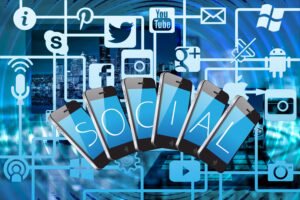
Social media, driven by user-generated content and real-time interactions, thrives on immediacy and personal connections. Platforms like Facebook, Twitter, and Instagram provide individuals with the means to share their thoughts, experiences, and multimedia content instantly. The emphasis is on user engagement, fostering a dynamic and interactive environment where users actively participate in the creation and dissemination of information.
On the other hand, electronic media, encompassing traditional forms like television and radio, follows a more structured and centralized model. Content is produced and disseminated by professional entities, offering a curated and often editorialized perspective. The reach of electronic media is broad, catering to a mass audience with scheduled programming and limited interactivity compared to the real-time engagement found on social media.
One significant distinction lies in the level of control and curation. Social media empowers individuals to curate their content, providing a diverse array of voices and viewpoints. Electronic media, in contrast, is typically governed by editorial decisions made by media organizations, influencing the narrative and tone of the information presented. While social media thrives on the democratization of content creation, electronic media still holds sway over the public discourse due to its established credibility and wide-reaching influence.
Potential strategies to mitigate divisive effects of social media
1. The Rise of Echo Chambers
Social media platforms, with their algorithmic-driven content delivery, have inadvertently given rise to echo chambers – virtual spaces where individuals are surrounded by like-minded people, reinforcing their existing beliefs and shielding them from diverse perspectives. This phenomenon is not limited to political ideologies; it extends to various aspects of life, including social issues, religion, and cultural values.
Social media algorithms play a pivotal role in shaping users’ experiences by curating content based on their preferences and engagement history. While this is intended to enhance user satisfaction, it often results in a filtered and biased information environment. Users are more likely to be exposed to content that aligns with their existing beliefs, creating a self-reinforcing cycle that strengthens their convictions.
b. Filter Bubbles
Filter bubbles, another consequence of algorithmic curation, occur when users are exposed primarily to information that confirms their pre-existing beliefs. As a result, individuals may find themselves unaware of alternative viewpoints, leading to a lack of understanding and empathy across ideological divides. This isolation contributes to the fragmentation of society, hindering constructive dialogue and cooperation.
2. Political Polarisation
Social media’s impact on political polarisation has been a subject of considerable debate. The ability to tailor content to specific political preferences can intensify ideological divides and foster a climate of animosity between different political factions.
a. Amplification of Extreme Views
Social media algorithms, driven by engagement metrics, tend to prioritize sensational and extreme content. This often results in the amplification of polarizing messages, as they generate more reactions and shares. Consequently, moderate voices may be drowned out, further polarizing public discourse.
b. Us vs. Them Mentality
The binary nature of social media interactions, such as likes and shares, fosters an “us vs. them” mentality. Individuals may feel compelled to align themselves more strongly with their chosen political or ideological group, contributing to a heightened sense of tribalism. The tribalistic mentality not only intensifies rifts but also obstructs nuanced conversations about intricate matters.
3. Social and Cultural Divides

Beyond politics, social media also plays a role in deepening divisions related to cultural and social issues. Discussions around topics like race, religion, and identity can become polarized, making it challenging to find common ground and fostering an environment of hostility.
a. Reinforcement of Stereotypes
Social media can perpetuate stereotypes by showcasing extreme views and amplifying divisive narratives. This reinforcement of stereotypes contributes to the polarization of society, fostering misunderstandings and widening cultural gulfs.
b. Online Harassment and Cancel Culture
The anonymity afforded by social media platforms can lead to an increase in online harassment and the emergence of cancel culture. This not only stifles free expression but also creates an environment where individuals may fear expressing dissenting opinions, further entrenching divisions.
4. Mitigating the Polarising Effects of Social Media

Recognizing the challenges posed by social media polarisation, there are potential strategies to mitigate its negative impacts and foster a more inclusive and informed digital society.
a. Algorithmic Transparency and Accountability
Social media platforms should prioritise algorithmic transparency, providing users with greater insight into how content is curated and delivered. Additionally, platforms could incorporate accountability measures to ensure algorithms do not inadvertently promote extreme or polarizing content.
b. Diverse Content Exposure
To counteract the formation of echo chambers and filter bubbles, social media platforms could design algorithms that intentionally expose users to a more diverse range of perspectives. This could be achieved by incorporating content from different ideological backgrounds into users’ feeds, encouraging a more comprehensive understanding of complex issues.
c. Media Literacy Education
Promoting media literacy is crucial in empowering users to critically evaluate the information they encounter on social media. Educational initiatives should teach individuals to identify misinformation, understand the impact of algorithms, and navigate diverse perspectives, fostering a more discerning and informed online community. The major responsibility lies with the owners of social media platforms and the country they are operating from. International laws must be in place to ensure the positivity of this media without affecting freedom of speech.
d. Encouraging Civil Discourse
Social media platforms can actively promote civil discourse by implementing features that discourage online harassment and encourage respectful dialogue. By creating a culture of constructive engagement, platforms can contribute to a more positive online environment.
Conclusion
The role of social media in shaping societal discourse is undeniable, and its impact on polarisation raises important questions about the future of digital communication. While challenges exist, there are opportunities to harness the positive aspects of social media while mitigating its divisive effects. By fostering transparency, diversifying content exposure, promoting media literacy, and encouraging civil discourse, we can work towards a more united and understanding society in the digital age. As we navigate this complex landscape, it is essential to recognise the shared responsibility of individuals, platforms, and society as a whole in building a more inclusive and connected world.

10,416 responses
Кто делал диплом через сайт — проверили ли его на работе? [url=https://inforepetitor.ru/]см. подробнее[/url]
В 2025 году наличие диплома всё ещё остаётся основным фактором при приёме на работу, повышении по службе или получении лицензии. И если у вас нет необходимого документа — это не повод терять годы.
✅ Выход есть — покупка диплома, полностью соответствующего оригиналу:
С печатями, подписями, голограммами,
С занесением в архив (по запросу),
Любой ВУЗ, колледж — по всей России и СНГ.
Кому может пригодиться?
Вас отчислили, но обучение практически завершено?
Нашли перспективную работу, но нет диплома?
Нужен диплом для лицензирования, повышения, тендера?
Мы работаем без предоплаты (по договору или поэтапно) и гарантируем полную конфиденциальность. У нас нет шаблонов — каждый документ готовится индивидуально, с учётом всех нюансов.
Наши гарантии:
Диплом, неотличимый от оригинала
Настоящие данные выпускника (по вашей анкете)
Быстрая и надежная доставка по России и СНГ
Юридически грамотно оформленный договор (по желанию)
Мы сотрудничаем с квалифицированными специалистами, которые понимают, как должен выглядеть официальный документ — вплоть до мельчайших деталей. У нас много лет опыта и более random[900..3999] довольных клиентов.
?? У кого в дипломе хоть раз была правда?
Серьезно: вы когда-нибудь открывали свой диплом и думали — “да, всё, что здесь написано, я действительно знаю и умею”?
У многих — только бумажка. Корочка, глянцевая, с гербом и подписями, которую HR смотрит за 1,5 секунды. А потом начинается: опыт, кейсы, компетенции, “что умеешь по факту?”. Диплом где-то там, в глубокой папке.
Но парадокс в том, что без диплома тебе даже не дадут шанс показать, что ты умеешь.
Ты можешь быть крутым специалистом, уметь в IT, дизайн, управление, логистику — но без документа с золотым тиснением не попадешь на собеседование.
?? Нормально ли это? Нет. Реальность ли это? Да.
Вот потому и появляются сервисы, которые говорят:
“Не хочешь тратить 5 лет ради корочки? Мы решим вопрос. Тебе нужен не вуз — тебе нужен диплом.”
Ты его получаешь, кладёшь в резюме, и дальше всё зависит от твоих мозгов, а не от шрифта на бумаге.
Кто-то скажет: “Это обман!”
А кто-то — “Это адаптация к системе, которая обманывает тебя с детства”.
?? И что в итоге?
Диплом становится не подтверждением знаний, а входным билетом. Как QR-код в метро — проверили, что есть, и пропустили.
Поэтому люди и ищат как купить диплом.
Не потому что глупые. А потому что взрослые, занятые, уставшие от лишнего.
Потому что хотят не учиться “ради процесса”, а работать по делу.
?? Ирония в том, что большинство таких дипломов — работают.
Даже если ты их не учил — ты знаешь, как применить. А вот “настоящие выпускники” потом всё равно идут на курсы и стажировки, потому что ничего не помнят.
И что важнее: корочка или то, как ты справляешься с задачей?
?? У кого были такие мысли — пишите. У кого был опыт — делитесь.
Кто реально оформлял диплом о высшем образовании с внесением в реестр — насколько безопасно это и прошёл ли кто-то проверку на работе? [url=https://spbrcom.ru/]Мы поможем[/url]
дизайнерское кашпо напольное [url=http://dizaynerskie-kashpo.ru/]дизайнерское кашпо напольное[/url] .
Что нужно, чтобы купить диплом без сдачи экзаменов? [url=https://inforepetitor.ru/]Ознакомиться[/url]
В 2025 году наличие диплома всё ещё остаётся ключевым фактором при приёме на работу, повышении по карьерной лестнице или получении лицензии. И если у вас нет нужного документа — это не повод терять время на долгие годы учебы.
✅ Выход есть — оформление диплома на заказ, полностью соответствующего оригиналу:
С печатями, подписями, голограммами,
С занесением в архив (по запросу),
Любой ВУЗ, колледж — по всей России и СНГ.
Кому может пригодиться?
Вас выгнали, но обучение практически завершено?
Нашли перспективную работу, но нет “корочки”?
Нужен диплом для лицензирования, повышения, тендера?
Мы работаем без предоплаты (по договору или поэтапно) и гарантируем полную конфиденциальность. У нас нет шаблонов — каждый документ готовится индивидуально, с учётом всех нюансов.
Наши гарантии:
Реалистичный диплом, неотличимый от оригинала
Настоящие данные выпускника (по вашей анкете)
Быстрая доставка по России и СНГ
Юридически грамотно оформленный договор (по желанию)
Мы сотрудничаем с квалифицированными специалистами, которые понимают, как должен выглядеть официальный документ — вплоть до мельчайших деталей. У нас много лет опыта и более random[900..3999] довольных клиентов.
интересные горшки для цветов [url=https://dizaynerskie-kashpo.ru/]интересные горшки для цветов[/url] .