
Introduction
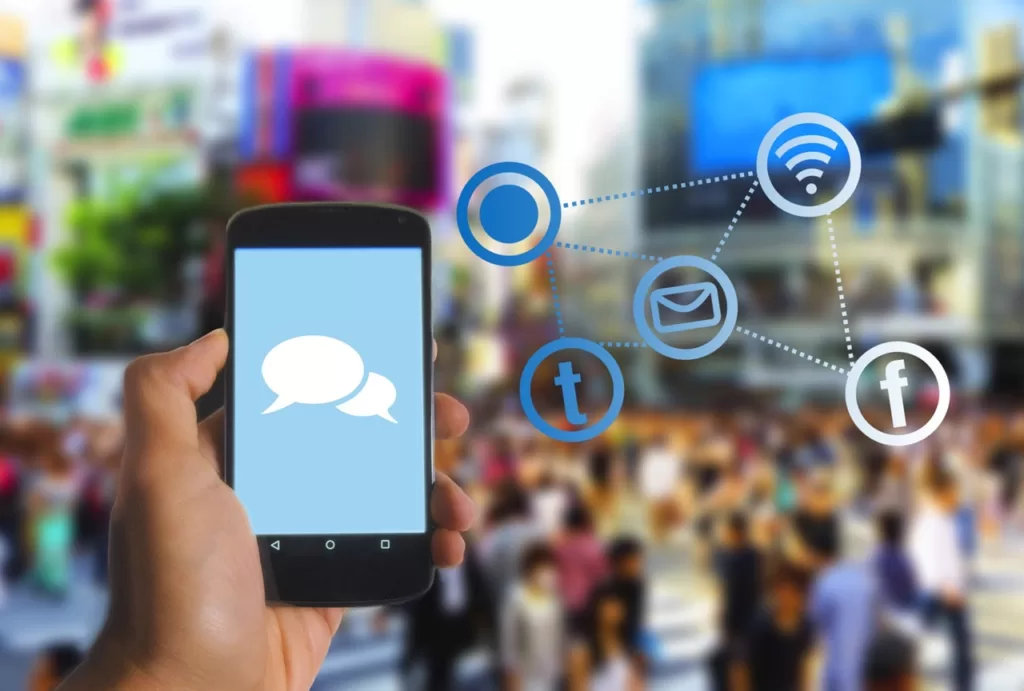
In the digital age, social media has become an integral part of our daily lives, transforming the way we connect, share information, and engage with the world around us. While these platforms have undoubtedly brought people together, there is a growing concern about their role in deepening societal divisions. This blog explores the impact of social media on polarisation, examining how it contributes to the formation of echo chambers and exacerbates political, social, and ideological divides.
Social and Electronic Media
In the ever-evolving landscape of information dissemination, the dichotomy between social media and electronic media plays a crucial role in shaping how we consume and interact with content.
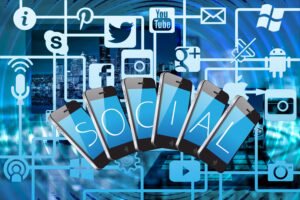
Social media, driven by user-generated content and real-time interactions, thrives on immediacy and personal connections. Platforms like Facebook, Twitter, and Instagram provide individuals with the means to share their thoughts, experiences, and multimedia content instantly. The emphasis is on user engagement, fostering a dynamic and interactive environment where users actively participate in the creation and dissemination of information.
On the other hand, electronic media, encompassing traditional forms like television and radio, follows a more structured and centralized model. Content is produced and disseminated by professional entities, offering a curated and often editorialized perspective. The reach of electronic media is broad, catering to a mass audience with scheduled programming and limited interactivity compared to the real-time engagement found on social media.
One significant distinction lies in the level of control and curation. Social media empowers individuals to curate their content, providing a diverse array of voices and viewpoints. Electronic media, in contrast, is typically governed by editorial decisions made by media organizations, influencing the narrative and tone of the information presented. While social media thrives on the democratization of content creation, electronic media still holds sway over the public discourse due to its established credibility and wide-reaching influence.
Potential strategies to mitigate divisive effects of social media
1. The Rise of Echo Chambers
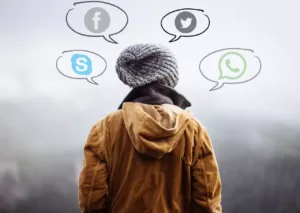
Social media platforms, with their algorithmic-driven content delivery, have inadvertently given rise to echo chambers – virtual spaces where individuals are surrounded by like-minded people, reinforcing their existing beliefs and shielding them from diverse perspectives. This phenomenon is not limited to political ideologies; it extends to various aspects of life, including social issues, religion, and cultural values.
Social media algorithms play a pivotal role in shaping users’ experiences by curating content based on their preferences and engagement history. While this is intended to enhance user satisfaction, it often results in a filtered and biased information environment. Users are more likely to be exposed to content that aligns with their existing beliefs, creating a self-reinforcing cycle that strengthens their convictions.
b. Filter Bubbles
Filter bubbles, another consequence of algorithmic curation, occur when users are exposed primarily to information that confirms their pre-existing beliefs. As a result, individuals may find themselves unaware of alternative viewpoints, leading to a lack of understanding and empathy across ideological divides. This isolation contributes to the fragmentation of society, hindering constructive dialogue and cooperation.
2. Political Polarisation

Social media’s impact on political polarisation has been a subject of considerable debate. The ability to tailor content to specific political preferences can intensify ideological divides and foster a climate of animosity between different political factions.
a. Amplification of Extreme Views
Social media algorithms, driven by engagement metrics, tend to prioritize sensational and extreme content. This often results in the amplification of polarizing messages, as they generate more reactions and shares. Consequently, moderate voices may be drowned out, further polarizing public discourse.
b. Us vs. Them Mentality
The binary nature of social media interactions, such as likes and shares, fosters an “us vs. them” mentality. Individuals may feel compelled to align themselves more strongly with their chosen political or ideological group, contributing to a heightened sense of tribalism. The tribalistic mentality not only intensifies rifts but also obstructs nuanced conversations about intricate matters.
3. Social and Cultural Divides

Beyond politics, social media also plays a role in deepening divisions related to cultural and social issues. Discussions around topics like race, religion, and identity can become polarized, making it challenging to find common ground and fostering an environment of hostility.
a. Reinforcement of Stereotypes
Social media can perpetuate stereotypes by showcasing extreme views and amplifying divisive narratives. This reinforcement of stereotypes contributes to the polarization of society, fostering misunderstandings and widening cultural gulfs.
b. Online Harassment and Cancel Culture
The anonymity afforded by social media platforms can lead to an increase in online harassment and the emergence of cancel culture. This not only stifles free expression but also creates an environment where individuals may fear expressing dissenting opinions, further entrenching divisions.
4. Mitigating the Polarising Effects of Social Media

Recognizing the challenges posed by social media polarisation, there are potential strategies to mitigate its negative impacts and foster a more inclusive and informed digital society.
a. Algorithmic Transparency and Accountability
Social media platforms should prioritise algorithmic transparency, providing users with greater insight into how content is curated and delivered. Additionally, platforms could incorporate accountability measures to ensure algorithms do not inadvertently promote extreme or polarizing content.
b. Diverse Content Exposure
To counteract the formation of echo chambers and filter bubbles, social media platforms could design algorithms that intentionally expose users to a more diverse range of perspectives. This could be achieved by incorporating content from different ideological backgrounds into users’ feeds, encouraging a more comprehensive understanding of complex issues.
c. Media Literacy Education
Promoting media literacy is crucial in empowering users to critically evaluate the information they encounter on social media. Educational initiatives should teach individuals to identify misinformation, understand the impact of algorithms, and navigate diverse perspectives, fostering a more discerning and informed online community. The major responsibility lies with the owners of social media platforms and the country they are operating from. International laws must be in place to ensure the positivity of this media without affecting freedom of speech.
d. Encouraging Civil Discourse
Social media platforms can actively promote civil discourse by implementing features that discourage online harassment and encourage respectful dialogue. By creating a culture of constructive engagement, platforms can contribute to a more positive online environment.
Conclusion
The role of social media in shaping societal discourse is undeniable, and its impact on polarisation raises important questions about the future of digital communication. While challenges exist, there are opportunities to harness the positive aspects of social media while mitigating its divisive effects. By fostering transparency, diversifying content exposure, promoting media literacy, and encouraging civil discourse, we can work towards a more united and understanding society in the digital age. As we navigate this complex landscape, it is essential to recognise the shared responsibility of individuals, platforms, and society as a whole in building a more inclusive and connected world.


10,416 responses
It’s alarming to realize that 1 in 3 medication users commit preventable drug mistakes stemming from insufficient information?
Your health requires constant attention. Every medication decision you make directly impacts your quality of life. Staying educated about medical treatments is absolutely essential for optimal health outcomes.
Your health goes far beyond following prescriptions. All pharmaceutical products affects your body’s chemistry in potentially dangerous ways.
Consider these critical facts:
1. Mixing certain drugs can cause dangerous side effects
2. Even common allergy medicines have strict usage limits
3. Altering dosages reduces effectiveness
For your safety, always:
✓ Research combinations via medical databases
✓ Review guidelines in detail prior to using new prescriptions
✓ Speak with specialists about potential side effects
___________________________________
For professional medication guidance, visit:
https://imedix-35b7a2.webflow.io/
Were you aware that over 60% of medication users make dangerous medication errors because of poor understanding?
Your health is your most valuable asset. Every medication decision you make plays crucial role in your quality of life. Staying educated about the drugs you take isn’t optional for successful recovery.
Your health depends on more than taking pills. All pharmaceutical products interacts with your body’s chemistry in potentially dangerous ways.
Never ignore these critical facts:
1. Mixing certain drugs can cause health emergencies
2. Seemingly harmless pain relievers have strict usage limits
3. Self-adjusting treatment undermines therapy
To protect yourself, always:
✓ Check compatibility via medical databases
✓ Study labels in detail prior to using new prescriptions
✓ Speak with specialists about correct dosage
___________________________________
For reliable pharmaceutical advice, visit:
https://www.hr.com/en/app/calendar/event/navigating-alzheimers-disease-challenges-and-hope_lu30x2r1.html
Did you know that 1 in 3 patients make dangerous pharmaceutical mishaps due to poor understanding?
Your health is your most valuable asset. Every medication decision you implement significantly affects your body’s functionality. Staying educated about your prescriptions isn’t optional for optimal health outcomes.
Your health depends on more than taking pills. Each drug affects your physiology in unique ways.
Never ignore these life-saving facts:
1. Mixing certain drugs can cause dangerous side effects
2. Over-the-counter supplements have serious risks
3. Skipping doses undermines therapy
To protect yourself, always:
✓ Verify interactions using official tools
✓ Read instructions completely prior to using medical treatment
✓ Ask your pharmacist about correct dosage
___________________________________
For professional drug information, visit:
https://www.pinterest.com/pin/879609370963914471/
It’s alarming to realize that 1 in 3 medication users commit preventable medication errors because of insufficient information?
Your health is your most valuable asset. All treatment options you make plays crucial role in your quality of life. Being informed about your prescriptions is absolutely essential for optimal health outcomes.
Your health isn’t just about swallowing medications. Every medication changes your physiology in specific ways.
Remember these essential facts:
1. Combining medications can cause dangerous side effects
2. Even common supplements have strict usage limits
3. Altering dosages causes complications
To avoid risks, always:
✓ Verify interactions with professional help
✓ Study labels in detail prior to using new prescriptions
✓ Consult your doctor about proper usage
___________________________________
For reliable drug information, visit:
https://www.trustprofile.com/webshop/iMedix_4144232
изготовление дипломов государственного образца [url=https://rusdiplomm-orig.ru/]изготовление дипломов государственного образца[/url] .