
Introduction
Nutrition is a fundamental aspect of human life, and its significance becomes even more pronounced when we consider the health of mothers and their children. The power of nutrition in this context cannot be overstated. Proper nutrition is not just about satisfying hunger or fueling our bodies; it plays a pivotal role in the health and well-being of both mothers and their offspring. In this blog, we will explore the profound impact of nutrition on maternal and child health, highlighting the importance of a balanced and nourishing diet before, during, and after pregnancy.
The Maternal-Child Nutrition Connection
Maternal nutrition forms the cornerstone of child health. The growth and development of a child begin in the womb, and the nutrients a mother consumes directly influence her baby’s development. It’s not just about calories; it’s about the quality and diversity of nutrients that make a difference.
Before Pregnancy
The journey towards a healthy child begins before conception. Women who plan to become pregnant should prioritize their nutritional status. A diet rich in essential nutrients, such as folic acid, iron, and calcium, can reduce the risk of birth defects and ensure a healthy start for the baby.
Folic acid, for instance, is crucial in preventing neural tube defects in the developing fetus. Iron is necessary to support the increased blood volume during pregnancy and prevent anemia. Calcium is vital for the development of the baby’s bones and teeth.
Furthermore, maintaining a healthy body weight and addressing any pre-existing health conditions, such as diabetes or hypertension, before becoming pregnant is essential. Poor maternal health and nutrition prior to pregnancy can lead to complications during gestation, adversely affecting both the mother and the child.
During Pregnancy
Pregnancy places immense demands on a woman’s body. A growing baby requires a steady supply of nutrients for optimal development. Adequate nutrition during pregnancy is associated with several benefits:
- Fetal Growth and Development: Proper nutrition supports the growth of a healthy baby. Nutrients like protein, folate, and essential fatty acids play a pivotal role in the development of the baby’s brain, heart, and other vital organs.
- Prevention of Birth Defects: As mentioned earlier, folic acid can significantly reduce the risk of neural tube defects. This is why prenatal supplements are often recommended.
- Maternal Health: A well-balanced diet during pregnancy helps to prevent complications like gestational diabetes and preeclampsia. It also supports the mother’s overall well-being.
- Postpartum Recovery: Adequate nutrition during pregnancy can contribute to a quicker and smoother recovery post-childbirth.
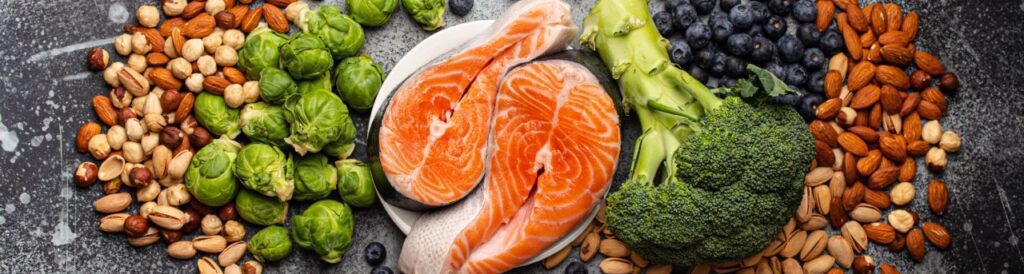
However, it’s important to note that “eating for two” doesn’t mean doubling one’s calorie intake. The quality of food matters more than quantity. Consuming nutrient-dense foods, such as fruits, vegetables, lean proteins, and whole grains, is crucial.
Postpartum Nutrition
The journey of nutrition doesn’t end with childbirth. Postpartum nutrition is equally important, as it supports a mother’s recovery and her ability to breastfeed her child.
Breast milk is often considered the gold standard for infant nutrition. It contains essential nutrients and antibodies that provide a strong foundation for a baby’s health. Thus, the mother’s diet has a direct impact on the composition and quality of her breast milk.
It’s essential for mothers to maintain a well-balanced diet postpartum. Adequate hydration and the consumption of foods rich in protein, calcium, and other essential nutrients are vital for milk production and the mother’s overall health.
The Role of Micro nutrients
Micro nutrients, such as vitamins and minerals, are critical for both maternal and child health. Let’s take a closer look at some of these micronutrients and their impact:
Folate (Vitamin B9)
Folate is essential for the development of the baby’s neural tube, which eventually forms the baby’s brain and spinal cord. Deficiency in folate can lead to neural tube defects, making it a crucial nutrient in the early stages of pregnancy.
Iron
Iron is crucial for preventing anemia in pregnant women. Anemia can lead to fatigue, weakness, and complications during childbirth. Adequate iron intake is essential for ensuring that both the mother and child receive enough oxygen through the bloodstream.
Calcium
Calcium is necessary for the development of the baby’s bones and teeth. If the mother’s diet is lacking in calcium, her body may pull calcium from her own bones to support the baby’s growth, potentially leading to bone density issues for the mother.
Omega-3 Fatty Acids
Omega-3 fatty acids, such as DHA, are essential for brain and eye development in the fetus. They also support cognitive development in children. Including sources of these healthy fats in the diet, such as fatty fish or flax seeds, is crucial.
Vitamin D
Vitamin D is essential for calcium absorption and bone health. A deficiency can lead to bone problems in both the mother and child. Sunlight and dietary sources, like fortified milk and fatty fish, can help maintain adequate vitamin D levels.
Iodine
Iodine is crucial for thyroid function and the development of the baby’s brain and nervous system. Iodine deficiency can lead to intellectual disabilities in children. Iodized salt and iodine-rich foods are recommended sources.
Vitamins A and C
Vitamins A and C play important roles in immune function and overall health. They are essential for the mother’s well-being and for protecting the developing fetus.
Impact of Malnutrition
Malnutrition during pregnancy can have devastating consequences. It can lead to low birth weight, preterm birth, and developmental issues in the child. Malnourished mothers are also at higher risk of complications during childbirth.
Additionally, malnutrition in early childhood can have long-lasting effects. It can impair cognitive development, weaken the immune system, and hinder physical growth. This highlights the importance of not only prenatal but also postnatal nutrition.
Importance of Breastfeeding
Breastfeeding is a natural extension of the mother-child nutrition connection. Breast milk is perfectly designed to provide infants with the essential nutrients they need for healthy growth and development.
Benefits of Breastfeeding
- Nutrient-Rich: Breast milk contains the perfect balance of nutrients, including proteins, fats, vitamins, and minerals, tailored to the baby’s needs.
- Antibodies: It provides antibodies that help protect the baby against infections and diseases.
- Digestibility: It is easy for infants to digest, reducing the risk of digestive issues.
- Bonding: Breastfeeding fosters a strong emotional bond between mother and child.
- Long-term Health: Breastfed babies have a reduced risk of obesity, diabetes, and certain childhood diseases.
- Economic Benefits: It is more cost-effective than formula feeding.
- Environmental Sustainability: It has a lower environmental impact than formula production.
Maternal Benefits
Breastfeeding isn’t just beneficial for the child; it also supports the mother’s health and recovery. It helps with postpartum weight loss, reduces the risk of breast and ovarian cancers, and enhances the bonding experience.
Challenges of Proper Nutrition
While the importance of nutrition during pregnancy and infancy is clear, many women and families face challenges in accessing and affording nutritious food. These challenges can include:
- Food Insecurity: Many families struggle to access enough food, let alone nutritious food. This can lead to poor maternal and child health outcomes.
- Cultural Practices: Certain cultural beliefs and practices may hinder women from receiving proper nutrition or following medical advice during pregnancy and breastfeeding.
- Limited Access to Healthcare: Inadequate access to healthcare services can prevent women from receiving guidance and support regarding nutrition during pregnancy and early childhood.
- Financial Constraints: The cost of nutritious foods and prenatal supplements can be a barrier for some families.
- Lack of Education: Limited nutritional knowledge can lead to poor dietary choices during pregnancy and infancy.
- Marketing of Unhealthy Foods: The marketing of unhealthy and processed foods can influence dietary choices and lead to the consumption of nutrient-poor options.
Addressing these challenges is crucial for improving maternal and child nutrition outcomes. Government policies, healthcare services, community support, and educational programs can play a pivotal role in ensuring that all mothers and children have access to the nutrition they need.
Conclusion
The power of nutrition in nurturing the health of mothers and children cannot be understated. Proper nutrition, from the preconception period through pregnancy and postpartum, shapes the trajectory of a child’s life. Nutrient-dense foods, essential vitamins, and a well-balanced diet are the building blocks for a healthy pregnancy and early childhood development.
Addressing the challenges that hinder proper nutrition for mothers and children is a collective responsibility. Every society should strive to provide women with the knowledge, resources, and support they need to ensure that their children have the best possible start in life.
In the end, the power of nutrition transcends mere sustenance; it’s a fundamental force that shapes the future of generations, one meal at a time. It’s a reminder that, in nurturing the health of mothers and children, we are nurturing the future of our society and our world.



6,136 responses
Заказать шторы недорого, высокое качество.
Стильные шторы на заказ, в лучших традициях дизайна.
в кратчайшие сроки.
Шторы на заказ для вашего интерьера, по вашим размерам.
Красивые шторы для стильного интерьера, по доступным ценам.
Ищете идеальные шторы?, в каталоге.
Шторы для любого стиля, по уникальным эскизам.
Не знаете, какие шторы выбрать?, от дизайнеров.
Шторы для спальни, кухни и гостиной, с быстрой доставкой.
Создаем стильные шторы, по вашим эскизам.
Индивидуальный подход к шторным решениям, с различными узорами.
Экологичные шторы для вашего дома, просто и удобно.
Неповторимые шторы для вашего дома, с учетом всех пожеланий.
Шторы, которые создают уют, откройте для себя.
Шторы премиум-класса на заказ, лучшие решения.
Шторы, которые подчеркнут ваш стиль, с профессиональной помощью.
Заказ штор с бесплатной консультацией, обращайтесь.
По индивидуальным меркам, из натуральных материалов.
Мы дарим красоту вашему дому, согласуйте детали.
Цены на шторы, которые вас приятно удивят, от эконом до класса люкс.
заказ штор заказ штор .
Welcome to our website dedicated to the sale of medical supplies!
We bring to your attention the large selection of high-quality products necessary for medical offices. медицинские расходные материалы and расходные материалы для медицинских учреждений
More detailed information on the links
Our goal is to provide you with reliable supplies that meet the strictest quality standards.
Римские шторы на заказ для вашего интерьера, и.
Римские шторы на заказ от профессионалов, вместе с.
Мы предлагаем римские шторы на заказ, для каждого клиента.
Уникальные римские шторы по вашему желанию, выберите свои ткани.
Индивидуальные римские шторы для вашего дома, что вам нужно.
Римские шторы на заказ от ведущих дизайнеров, выбор тканей.
Римские шторы на заказ для стильного кабинета, премиум-материалы.
Римские шторы на заказ для создания уютной атмосферы, это доступно.
Римские шторы на заказ: идеальное решение, для вашего окна.
Создайте индивидуальные римские шторы, для любого стиля.
Индивидуальный подход к римским шторам на заказ, или.
Дизайн римских штор на заказ, для вашего комфорта.
Римские шторы на заказ: как это работает, перезвоните нам.
Элегантные римские шторы на заказ для вашего дома, технологии шитья.
Римские шторы на заказ, которые преобразят вашу комнату, наши контакты.
Как выбрать римские шторы на заказ, пошаговые инструкции.
У нас вы найдете римские шторы на заказ, которые станут акцентом.
Выбор стилей и решений: римские шторы на заказ, для вашего стиля.
Римские шторы на заказ для вашего интерьера, на любой вкус.
римские шторы на заказ римские шторы на заказ .
Римские шторы на заказ для вашего интерьера, красиво.
Индивидуальные римские шторы по вашему дизайну, и.
Создайте идеальные римские шторы по своим размерам, помощь в выборе.
Стильные римские шторы на заказ, создайте собственный стиль.
Заказывайте римские шторы по индивидуальным размерам, что вас вдохновляет.
Римские шторы на заказ для любого интерьера, разнообразие стилей.
Индивидуальные римские шторы для вашей спальни, высокое качество.
Уникальные римские шторы под заказ для вашего дома, это легко.
Функциональные римские шторы на заказ, для вашего окна.
Римские шторы на заказ: ваш дизайн, наши технологии, для любого помещения.
Индивидуальный подход к римским шторам на заказ, получите консультацию.
Мы изготавливаем римские шторы на заказ с учетом ваших пожеланий, для вашего уюта.
Качественные римские шторы для нашего клиента, перезвоните нам.
Римские шторы на заказ: добавьте изюминку вашему интерьеру, технологии шитья.
Неповторимые римские шторы по вашим идеям, наши контакты.
Всё о римских шторах на заказ, пошаговые инструкции.
У нас вы найдете римские шторы на заказ, которые подойдут именно вам.
Римские шторы на заказ: как выбрать ткани, для вашего стиля.
Римские шторы на заказ: гурман для ваших окон, с нами легко.
римские шторы на заказ римские шторы на заказ .
Римские шторы на заказ для вашего интерьера, доступно.
Индивидуальные римские шторы по вашему дизайну, отличное качество.
Создайте идеальные римские шторы по своим размерам, для каждого клиента.
Уникальные римские шторы по вашему желанию, выберите свои ткани.
Римские шторы на заказ с учетом всех нюансов, что вам нравится.
Римские шторы на заказ от ведущих дизайнеров, выбор тканей.
Индивидуальные римские шторы для вашей спальни, премиум-материалы.
Качество и стиль: римские шторы на заказ, это просто.
Комфорт и стиль: римские шторы под заказ, для вашего пространства.
Создайте индивидуальные римские шторы, для любого помещения.
Узнайте о наших римских шторах на заказ, закажите образцы.
Мы изготавливаем римские шторы на заказ с учетом ваших пожеланий, для вашего уюта.
Только лучшие римские шторы на заказ, узнайте больше.
Элегантные римские шторы на заказ для вашего дома, создание уюта.
Создайте свой стиль с римскими шторами на заказ, наши контакты.
Римские шторы на заказ: советы по выбору, экспертные рекомендации.
Заказывайте римские шторы по индивидуальным пожеланиям, которые станут акцентом.
Выбор стилей и решений: римские шторы на заказ, для вашего комфорта.
Римские шторы на заказ: гурман для ваших окон, на любой вкус.
римские шторы на заказ римские шторы на заказ .