

Introduction
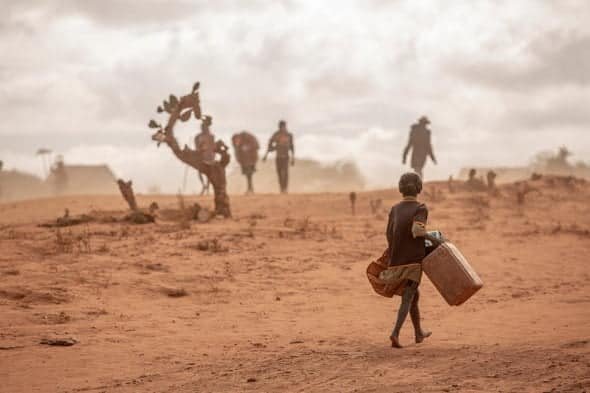
The world is facing an unprecedented challenge – a crisis that threatens the very foundation of human existence: the global food and water crisis. With a rapidly growing population, climate change, and resource depletion, we find ourselves at a critical juncture. The need to act decisively to combat this crisis has never been more urgent. In this blog, we will explore how individuals can play a significant role in addressing the global food and water crisis.
Understanding the Crisis
Before we delve into actionable steps, it is crucial to understand the gravity of the global food and water crisis.
- Growing Population: The world’s population is expected to reach 9.7 billion by 2050, placing immense pressure on our already strained resources.
- Climate Change: Climate change is altering weather patterns, leading to droughts, floods, and extreme temperatures, all of which impact crop yields and water availability.
- Resource Depletion: Overexploitation of water resources, deforestation, and unsustainable agricultural practices are depleting our natural resources at an alarming rate.
- Waste: Nearly one-third of all food produced globally is lost or wasted. This inefficiency exacerbates the food crisis.
- Inequality: Access to food and clean water is unevenly distributed, with millions facing hunger and water scarcity while others have plenty.
With these challenges in mind, let’s explore how individuals can take meaningful actions to mitigate the crisis.
- Reducing Food WasteOne of the most effective ways individuals can contribute is by reducing food waste at home. Consider the following steps:
- Plan meals carefully: Create shopping lists, use leftovers creatively, and avoid buying more than you need.
- Understand expiration dates: Learn to distinguish between “use by,” “sell by,” and “best by” labels to prevent premature disposal of edible food.
- Composting: Composting food scraps can reduce the environmental impact of food waste.
- Support food recovery programs: Volunteer or donate to organizations that rescue surplus food and distribute it to those in need.
- Sustainable Eating HabitsOur dietary choices have a significant impact on both food and water resources. Here’s how individuals can make a difference:
- Reduce meat consumption: Meat production is resource-intensive. Cutting back on meat consumption, especially beef, can reduce the strain on food and water resources.
- Choose locally sourced and seasonal foods: This reduces the carbon footprint associated with food transportation.
- Support sustainable agriculture: Purchase products from companies and farms that employ sustainable farming practices.
- Grow your own food: Even small-scale home gardening can contribute to food security and reduce the environmental impact of food production.
- Conservation of WaterWater scarcity is a pressing issue worldwide. Individuals can help conserve water in several ways:
- Fix leaks: Repairing leaks in your home can save thousands of gallons of water annually.
- Install water-saving fixtures: Low-flow faucets and showerheads, as well as high-efficiency toilets, can significantly reduce water consumption.
- Collect rainwater: Install rain barrels to collect and reuse rainwater for irrigation.
- Be mindful of water usage: Turn off taps while brushing teeth, fix dripping faucets promptly, and run washing machines and dishwashers only with full loads.
- Supporting Sustainable AgricultureSupporting sustainable agriculture is a crucial step in addressing the food crisis. Here’s how individuals can contribute:
- Buy organic and locally grown produce: Organic farming practices prioritize soil health and reduce the use of harmful chemicals.
- Support small-scale farmers: Purchase from local farmers’ markets or subscribe to community-supported agriculture (CSA) programs.
- Educate yourself: Learn about sustainable farming practices and advocate for policies that promote them.
- Advocacy and Community EngagementIndividuals can make a significant impact by advocating for change and engaging with their communities:
- Raise awareness: Educate yourself and others about the global food and water crisis, its causes, and potential solutions.
- Support NGOs and initiatives: Donate to and volunteer with organizations working on food and water security.
- Engage in local initiatives: Join community gardens, participate in food drives, or volunteer at food banks.
- Advocate for policy change: Contact your local representatives and advocate for policies that promote sustainability and food security.
- Education and Skill DevelopmentTo effect long-lasting change, individuals can invest in education and skill development:
- Learn about sustainable agriculture: Take courses or workshops on sustainable farming practices.
- Acquire food preservation skills: Learn how to can, pickle, ferment, or dehydrate food to reduce waste and extend shelf life.
- Teach future generations: Instill a sense of responsibility for food and water resources in children and young adults.
Conclusion
The global food and water crisis is a complex challenge that requires collective action at all levels of society. While governments, businesses, and international organizations play a crucial role, individuals can make a significant impact through their daily choices and actions. By reducing food waste, adopting sustainable eating habits, conserving water, supporting sustainable agriculture, advocating for change, and investing in education, each of us can contribute to the fight against this crisis. It’s time for individuals to realize that they are not helpless in the face of such a monumental challenge – they are part of the solution.



3,453 responses
lixiang l7 рестайлинг 2024
lixiang l7 рестайлинг 2024
polar stone 01 купить в москве
polar stone 01 купить в москве
Pharmacology’s Role and Drug Development in Modern Society
Pharmacology, the science of drugs and their
effects on living systems, plays a pivotal
role in modern society. With an ever-increasing burden of diseases and health conditions, the development of new medications is vital
for improving healthcare outcomes and enhancing quality of life.
This article explores the significance of pharmacology and the process of
drug development in addressing contemporary health challenges.
**Understanding Pharmacology:**
Pharmacology encompasses a multidisciplinary approach,
combining aspects of biology, chemistry, physiology, and pathology to
study how drugs interact with biological systems. It delves into
the mechanisms of action, therapeutic effects, and potential side effects of medications.
By comprehensively understanding these factors, pharmacologists strive
to develop safer and more effective drugs for treating various ailments.
**Importance of Drug Development:**
The development of new drugs is essential for combating both prevalent and emerging health threats.
Chronic diseases such as cardiovascular disorders, cancer, diabetes, and respiratory ailments continue to impose a
significant burden on global health. Moreover, the emergence of novel pathogens,
antimicrobial resistance, and environmental factors
further underscore the need for innovative pharmaceutical
solutions.
**Phases of Drug Development:**
The journey from drug discovery to market availability is a
complex and rigorous process comprising several distinct phases:
1. **Drug Discovery:** Scientists identify potential drug candidates through various means,
including screening natural compounds, designing molecules using computational
methods, or repurposing existing drugs for new indications.
2. **Preclinical Research:** Promising drug candidates undergo extensive laboratory testing to assess their safety, efficacy, and pharmacokinetic properties in cellular and animal models.
3. **Clinical Trials:** Drug candidates that demonstrate favorable preclinical results advance to clinical trials,
which consist of three sequential phases:
– **Phase I:** Involves testing the drug’s safety and dosage in a
small group of healthy volunteers.
– **Phase II:** Evaluates the drug’s efficacy and side effects in a larger group of individuals with the
targeted disease or condition.
– **Phase III:** Further assesses the drug’s safety and efficacy
in a diverse population across multiple locations to establish its therapeutic benefits and
risks.
4. **Regulatory Approval:** Following successful completion of clinical trials, pharmaceutical companies submit comprehensive data
to regulatory authorities such as the FDA in the United States or the EMA in Europe for approval to market the drug.
5. **Post-Marketing Surveillance:** Even after approval, ongoing monitoring is
crucial to detect any unforeseen adverse effects and ensure the drug’s continued safety and
efficacy in real-world settings.
**Challenges and Future Directions:**
Despite significant advancements in pharmacology and drug development,
several challenges persist. These include escalating
research and development costs, regulatory hurdles, ethical
considerations, and the increasing complexity of diseases.
Additionally, disparities in access to medications and healthcare services remain a global concern.
Looking ahead, emerging technologies such as precision medicine, gene editing,
and artificial intelligence offer promising avenues for
personalized therapies and targeted drug development. Collaborative efforts among researchers, clinicians, pharmaceutical companies, and policymakers are
imperative to address these challenges and
harness the full potential of pharmacology in improving global health outcomes.
In conclusion, pharmacology plays a central role in modern society by driving the development of new medications to combat
a myriad of health challenges. Through continuous
innovation and collaboration, the field of pharmacology
holds immense promise for enhancing healthcare delivery
and promoting well-being worldwide.
Here is my web page: “https://coldnetwork.net/threads/synthesizing-%CE%B1-pyrrolidinopentiophenone.120620/