


Introduction
Eid-ul-Fitr, also known as the “Festival of Breaking the Fast,” is one of the most significant religious celebrations observed by Muslims worldwide. Marking the end of the holy month of Ramadan, this joyous occasion is a time of gratitude, reflection, and communal harmony. Muslims from all walks of life come together to celebrate this festival with enthusiasm, offering prayers, sharing meals, and extending kindness to those in need. The significance of Eid-ul-Fitr extends beyond mere festivity; it embodies spiritual growth, social unity, and acts of charity.
Spiritual Essence

Eid-ul-Fitr is deeply rooted in Islamic teachings and serves as a reward for the devotion exhibited during Ramadan. The month of Ramadan is observed with fasting from dawn to sunset, where Muslims refrain from food, drink, and other worldly desires. This period of self-discipline is not only about abstaining from physical needs but also about spiritual purification. The fast is a means of attaining Taqwa (God-consciousness) and strengthening one’s connection with Allah.
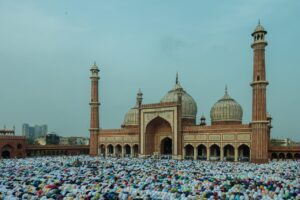
When Ramadan concludes, Eid-ul-Fitr is celebrated as a day of gratitude to Allah for granting Muslims the strength to complete the fast. It is an acknowledgment of their spiritual efforts and a reminder of the importance of patience, humility, and righteousness. The morning of Eid begins with the special Eid prayer, known as Salat al-Eid, performed in congregation. This prayer is an expression of gratitude and unity, bringing together communities regardless of social or economic status.
Charity and Generosity (Zakat & Fitrana)

A crucial aspect of Eid-ul-Fitr is the act of charity known as Zakat and Fitrana. Before the Eid prayer, every Muslim who has the financial means is required to give a specific amount of charity to those in need. This ensures that even the less fortunate can partake in the celebrations and experience the joy of Eid. It serves as a form of purification, cleansing any shortcomings that may have occurred during fasting and fostering a sense of social responsibility.
The practice of giving charity on Eid is a reminder that Islam emphasises the welfare of the entire community. It teaches Muslims to be compassionate and mindful of others, reinforcing the idea that true happiness lies in giving rather than merely receiving. Through these charitable acts, the essence of Islamic teachings love, care, and empathy is put into practice.
Social and Cultural Significance
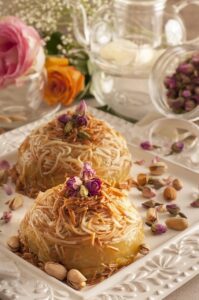
Eid-ul-Fitr is not only a religious observance but also a time for social bonding and strengthening familial ties. Families and friends gather to share meals, exchange gifts, and spend quality time together. Traditional dishes and sweets, such as sheer khurma (a dessert made of vermicelli and milk), samosas, and kebabs, are prepared and enjoyed by all. The exchange of greetings, commonly expressed as “Eid Mubarak,” reflects the joy and warmth of the occasion.
Eid also serves as an opportunity for reconciliation. It is a time to mend relationships, seek forgiveness, and let go of past grievances. The spirit of unity is emphasised, and people extend their goodwill beyond their immediate circles by reaching out to neighbours and community members. In many cultures, Eid-ul-Fitr is marked by grand festivities, fairs, and cultural events that bring people together, creating an atmosphere of joy and celebration.
Celebrations Around the World

Although the essence of Eid-ul-Fitr remains the same, its celebrations vary across different cultures and regions. In countries like Saudi Arabia, the United Arab Emirates, and Pakistan, Eid begins with the sighting of the crescent moon, which determines the conclusion of Ramadan. Grand feasts, public holidays, and special prayers in mosques characterize the celebrations.
In Indonesia, the largest Muslim-majority country, the festival is known as “Lebaran,” and it is a time when families reunite, often travelling long distances to be with their loved ones. The tradition of giving “THR” (Tunjangan Hari Raya), a form of financial gift, is observed, especially for children and employees.
In Turkiye, Eid is referred to as “Ramazan Bayramı” or “Şeker Bayramı” (Sugar Feast), where sweet delicacies are distributed among neighbours, and children visit elders to receive blessings and gifts. In India and Bangladesh, Eid is celebrated with grand feasts, shopping for new clothes, and visiting fairs and entertainment venues.
These diverse customs highlight the universal message of Eid-ul-Fitr i.e. unity, gratitude, and spreading joy.
Eid & Lessons of Ramadan
Eid-ul-Fitr is not merely a day of festivities; it is a culmination of the lessons learned during Ramadan. The month-long fasting period instils values such as self-discipline, patience, gratitude, and empathy for the less fortunate. Eid serves as a reminder to carry these values forward in everyday life, practicing kindness, humility, and generosity beyond the holy month.
One of the key takeaways from Ramadan and Eid is the importance of self-control. By voluntarily abstaining from food and drink, Muslims develop the ability to resist temptation and exercise self-restraint. This discipline extends to other aspects of life, promoting ethical behaviour, honesty, and a mindful approach to decision-making.
Moreover, the emphasis on charity during Eid reinforces the idea that wealth and material possessions are temporary and true fulfilment lies in sharing and helping others. This spirit of generosity should not be confined to Ramadan alone but should become a lifelong practice.
Role of Gratitude in Eid Celebrations
Gratitude is at the heart of Eid-ul-Fitr. Muslims express their thankfulness to Allah for the strength to fast, the opportunity to seek forgiveness, and the countless blessings they have received. This sense of gratitude extends beyond personal reflection and is expressed through acts of kindness, helping those in need, and spreading happiness.
By acknowledging the privileges one has, Eid-ul-Fitr encourages Muslims to be more appreciative of their blessings and to extend their gratitude by giving back to society. Whether through feeding the hungry, supporting charities, or simply sharing happiness with others, gratitude is expressed in various forms during this sacred occasion.
Conclusion
Eid-ul-Fitr is a festival that holds profound religious, social, and moral significance. It marks the end of Ramadan, a month of devotion and self-discipline, and serves as a day of joy, unity, and gratitude. The traditions of communal prayers, charity, and feasting reinforce the values of compassion, generosity, and togetherness.
Beyond the festivities, Eid-ul-Fitr reminds Muslims to embody the teachings of Islam in their daily lives, practicing kindness, being grateful, and contributing to the welfare of society. It is a celebration that transcends cultural boundaries, bringing people together in a shared expression of faith and humanity. As families gather, prayers are offered, and acts of kindness are multiplied, Eid-ul-Fitr remains a beacon of joy, faith, and social harmony for Muslims around the world.



4,251 responses
I have discovered that expenses for online degree experts tend to be an excellent value. Like a full 4-year college Degree in Communication with the University of Phoenix Online consists of Sixty credits with $515/credit or $30,900. Also American Intercontinental University Online gives a Bachelors of Business Administration with a complete program element of 180 units and a tuition fee of $30,560. Online degree learning has made getting the degree been so cool because you might earn your own degree through the comfort in your home and when you finish working. Thanks for other tips I have learned from your web-site.
лечение запоя челябинск
https://vivod-iz-zapoya-chelyabinsk001.ru
вывод из запоя челябинск
домашний интернет
domashij-internet-nizhnij-novgorod006.ru
проверить провайдеров по адресу нижний новгород
Капельница от запоя на дому: мифы и реальность (Тула) С каждым годом проблема алкогольной зависимости становится все более важной. Люди стремятся к анонимному лечению алкоголизма, обращаясь за помощью к наркологу на дом. Одним из популярных методов является капельница от запоя. Однако вокруг этого метода существует множество мифов. Во-первых, миф о том, что капельница, это панацея от запойного состояния. Реальность такова, что она лишь временно облегчает симптомы. Нарколог на дом может предложить целостный подход к лечению, включающий детоксикацию в домашних условиях. Это более безопасно и эффективно. Следующий миф — предположение, что лечение на дому не имеет рисков. На самом деле, безопасность домашнего лечения определяется уровнем квалификации специалиста. Услуги нарколога в Туле предлагают профессиональные услуги, но важно выбирать опытных специалистов. Также стоит отметить, что восстановление после запойного состояния, это небыстрый процесс, требующий поддержки. Эффекты капельницы от алкоголя могут быть кратковременными, поэтому важно придерживаться рекомендаций по лечению запоя и учитывать необходимость психологической поддержки. Помощь при алкогольной зависимости должна быть комплексной. Избавление от запойного состояния — это не только работа с физическим состоянием, но и с психоэмоциональным. арколог на дом анонимно](https://narkolog-tula003.ru)
частный пансионат для пожилых людей
pansionat-tula003.ru
пансионаты для инвалидов в туле