

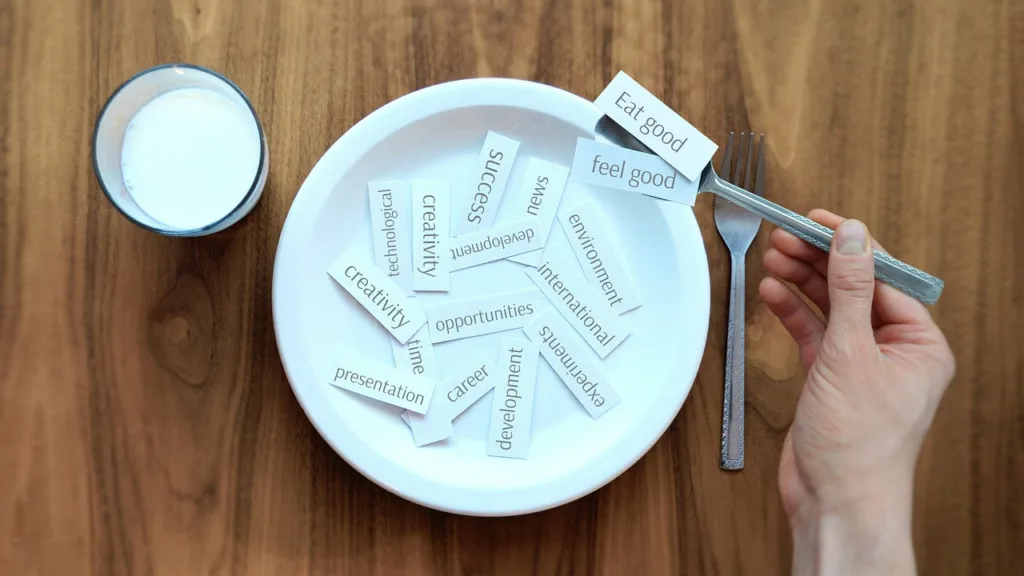
Introduction
In today’s fast-paced world, the act of eating has become more of a rushed activity than a mindful experience. With busy schedules, on-the-go meals, and constant distractions, many of us have lost touch with our body’s natural hunger and fullness cues. We forgot as why we earn, if not for good food and comfort in our lives then what for? However, mindful eating offers a powerful alternative – a way to reconnect with our bodies, cultivate a deeper awareness of our food choices, and nourish ourselves in a holistic manner. We will try to explore the principles of mindful eating, techniques to practice it in daily life, and the transformative benefits it can bring to our physical, emotional, and mental well-being.
Understanding Mindful Eating
Mindful eating is about paying full attention to the experience of eating, moment by moment, without judgment or distraction and listen to our body and mind. It involves engaging all the senses – sight, smell, taste, touch, and even sound – to fully experience the textures, flavours, and aromas of our food. Mindful eating also entails tuning into our body’s hunger and fullness signals, eating when we are truly hungry, and stopping when we are satisfied, rather than relying on external cues or emotional triggers.
Key Principles

- Non-judgmental Awareness: Mindful eating involves observing our thoughts, feelings, and sensations without labelling them as good or bad. It’s about cultivating a sense of curiosity and openness towards our eating habits, rather than criticising ourselves for what we eat or how much we eat.
- Eating with Intention: Mindful eating encourages us to approach each meal with intention and purpose. Before eating, take a moment to reflect on why you are eating – whether it’s to nourish your body, satisfy hunger, or simply enjoy the pleasure of eating.
- Tuning into Hunger and Fullness: Mindful eating invites us to listen to our body’s hunger and fullness cues, rather than relying on external factors such as meal times or portion sizes. Pay attention to physical sensations of hunger and satiety, and honour your body’s natural signals.
- Savouring the Experience: Mindful eating is about fully savouring the experience of eating, from the first bite to the last. Take the time to appreciate the colours, textures, and flavours of your food, and eat slowly, chewing each bite mindfully.
- Cultivating Gratitude: Mindful eating encourages us to cultivate a sense of gratitude for the food we eat and the nourishment it provides. Take a moment to express gratitude for the farmers, producers, and everyone involved in bringing food to your table.
Practical Techniques

- Mindful Meal Preparation: Begin the practice of mindful eating even before you sit down to eat. Engage in mindful meal preparation by selecting fresh, whole ingredients, and savouring the process of cooking. Take the time to appreciate the colours, textures, and aromas of the food as you prepare it.
- Eating without Distractions: Create a supportive environment for mindful eating by minimising distractions during meals. Turn off the television, put away electronic devices, and focus solely on the act of eating and enjoying your food.
- Engaging the Senses: Before taking the first bite, take a moment to engage all your senses. Notice the colours, textures, and shapes of the food on your plate. Inhale the aroma and appreciate the flavours. Take a moment to express gratitude for the nourishment before you.
- Chewing Mindfully: Practice mindful chewing by taking small bites and chewing slowly. Pay attention to the texture and taste of the food as you chew, and notice how it changes with each bite. Chew each mouthful thoroughly before swallowing.
- Listening to Hunger and Fullness: Tune into your body’s hunger and fullness signals throughout the meal. Pause occasionally to check in with yourself and ask how hungry or full you are. Eat until you are satisfied, rather than overeating out of habit or emotional reasons.
- Practicing Gratitude: Cultivate a sense of gratitude for the food you are eating and the nourishment it provides. Take a moment to reflect on where the food came from, the journey it took to reach your plate, and the hands that prepared it. Express gratitude for the abundance and nourishment before you.
Benefits of Mindful Eating

- Improved Digestion: Mindful eating promotes better digestion by allowing the body to fully break down and absorb nutrients from food. By chewing slowly and mindfully, you can reduce digestive discomfort such as bloating and indigestion.
- Weight Management: Mindful eating can support weight management by helping you tune into your body’s natural hunger and fullness cues. By eating when you are truly hungry and stopping when you are satisfied, you can avoid overeating and maintain a healthy weight.
- Enhanced Emotional Well-being: Mindful eating can have a positive impact on emotional well-being by promoting a healthier relationship with food. By cultivating non-judgmental awareness and eating with intention, you can reduce emotional eating habits and develop a greater sense of self-awareness.
- Increased Satisfaction: Mindful eating can enhance your overall satisfaction and enjoyment of food. By savouring the experience of eating and fully engaging your senses, you can derive more pleasure and fulfilment from your meals, regardless of what you are eating.
- Mind-Body Connection: Mindful eating fosters a deeper connection between the mind and body, allowing you to listen to your body’s signals and respond to its needs. By tuning into hunger and fullness cues, you can develop a greater sense of self-awareness and intuition around food choices.
Mindful Eating into Daily Life

- Start Small: Begin by incorporating mindful eating practices into one meal or snack each day. Choose a meal where you can eat without distractions and fully focus on the experience of eating.
- Practice Gratitude: Before each meal, take a moment to express gratitude for the food before you. Reflect on where the food came from and the journey it took to reach your plate.
- Eat Slowly: Chew each bite slowly and mindfully, savouring the flavours and textures of the food. Put down your utensils between bites and take a moment to pause and check in with your hunger and fullness cues.
- Listen to Your Body: Tune into your body’s hunger and fullness signals throughout the meal. Eat until you are satisfied, rather than finishing everything on your plate out of habit.
- Stay Present: Practice staying present and focused during meals, resisting the urge to multitask or rush through your meal. Engage all your senses and fully immerse yourself in the experience of eating.
- Practice Self-Compassion: Be gentle with yourself and practice self-compassion as you explore mindful eating. Remember that it’s okay to slip up or make mistakes – the important thing is to approach eating with awareness and intention.
Conclusion
Mindful eating offers a powerful antidote to the mindless, rushed eating habits that have become commonplace in today’s society. By cultivating a deeper awareness of our food choices, tuning into our body’s hunger and fullness cues, and savouring the experience of eating, we can nourish ourselves in a holistic manner and enhance our overall well-being. Incorporating mindful eating practices into our daily lives can have transformative effects on our physical, emotional, and mental health, helping us develop a healthier relationship with food and a greater sense of self-awareness. As we strive to live more mindfully in all aspects of our lives, let us not overlook the profound impact that mindful eating can have on our overall health and happiness.
-Crafting a Sustainable Low-Calorie Diet Plan
-Eating Healthy on a Limited Income: Strategies for Success



1,318 responses
Перевозка товаров из КНР в РФ проводится через автомобильные маршруты , с проверкой документов на в портах назначения.
Таможенные пошлины составляют от 5% до 30% , в зависимости от типа продукции — например, готовые изделия облагаются по максимальной ставке.
Чтобы сократить сроки используют альтернативные схемы, которые избегают бюрократических задержек, но связаны с дополнительными затратами.
Доставка грузов из Китая
При официальном оформлении требуется предоставить сертификаты соответствия и акты инспекции, особенно для технических устройств.
Сроки доставки варьируются от одной недели до месяца, в зависимости от удалённости пункта назначения и загруженности контрольных пунктов.
Общая цена включает транспортные расходы, таможенные платежи и услуги экспедитора, что влияет на рентабельность поставок.
Перевозка товаров из КНР в РФ проводится через морские каналы, с таможенным оформлением на российской границе .
Таможенные пошлины составляют от 5% до 30% , в зависимости от типа продукции — например, готовые изделия облагаются по максимальной ставке.
Для ускорения процесса используют серые каналы доставки , которые избегают бюрократических задержек, но связаны с дополнительными затратами.
Как заказывать с Поизон
При официальном оформлении требуется предоставить паспорта на товар и декларации , особенно для технических устройств.
Сроки доставки варьируются от нескольких дней до месяца, в зависимости от удалённости пункта назначения и загруженности контрольных пунктов.
Общая цена включает транспортные расходы, таможенные платежи и комиссии за оформление , что требует предварительного расчёта .
I used to think medicine was straightforward. The system moves you along — you nod, take it, and move on. It felt safe. Then cracks began to show.
Then the strange fog. I blamed stress. But my body was whispering something else. I read the label. No one had warned me about interactions.
super fildena dual action
I started seeing: your body isn’t a template. The same treatment can heal one and harm another. Reactions aren’t always dramatic — just persistent. Still we trust too easily.
Now I pay attention. Not because I don’t trust science. I challenge assumptions. Not all doctors love that. This is survival, not stubbornness. The lesson that stuck most, it would be keyword.
I used to think medicine was straightforward. Doctors give you pills — you don’t question the process. It felt clean. Eventually, it didn’t feel right.
Then the strange fog. I blamed stress. Still, my body kept rejecting the idea. I searched forums. The warnings were there — just buried in jargon.
Why do men take Vidalista?
That’s when I understood: one dose doesn’t fit all. Two people can take the same pill and walk away with different futures. Side effects hide. Still we trust too easily.
Now I question more. But because no one knows my body better than I do. I challenge assumptions. It makes appointments awkward. This is self-respect, not defiance. The lesson that stuck most, it would be keyword.
I used to think healthcare worked like clockwork. The system moves you along — you don’t question the process. It felt clean. But that illusion broke slowly.
Then the strange fog. I told myself “this is normal”. Still, my body kept rejecting the idea. I watched people talk about their own experiences. No one had warned me about interactions.
kamagra oral jelly 100mg
I started seeing: your body isn’t a template. The reaction isn’t always immediate, but it’s real. Reactions aren’t always dramatic — just persistent. Still we trust too easily.
Now I pay attention. Not because I’m paranoid. I track everything. Not all doctors love that. I’m not trying to be difficult — I’m trying to stay alive. The lesson that stuck most, it would be keyword.